Sagging & Bouncy Floors2026-10-13T12:51:54-05:00

Sagging & Bouncy Floor Repair: Causes & Permanent Solutions

A floor that slopes, sinks or feels bouncy usually isn't a flooring problem. It's usually a structural support issue beneath your home. The Foundation Specialists determines what is weakening the floor system and rebuilds the structural support system from the crawl space or basement below, without tearing out or replacing your finished floors.

Symptoms

Warning Signs to Watch For

Sagging and bouncy floors almost never happen overnight. A slight dip, soft spot, or springy feeling underfoot often develops gradually as the structural supports beneath your home weaken. Because the changes occur slowly, many homeowners don't notice a problem until the movement becomes more obvious.

Whether the source is failing crawl space supports, weakened floor joists, crawl space moisture, or foundation settlement, these symptoms all signal the floor system may no longer have the structural support it needs. Catching the warning signs early can help prevent more extensive structural repairs.

Causes

What Leads to Sagging and Bouncy Floors?

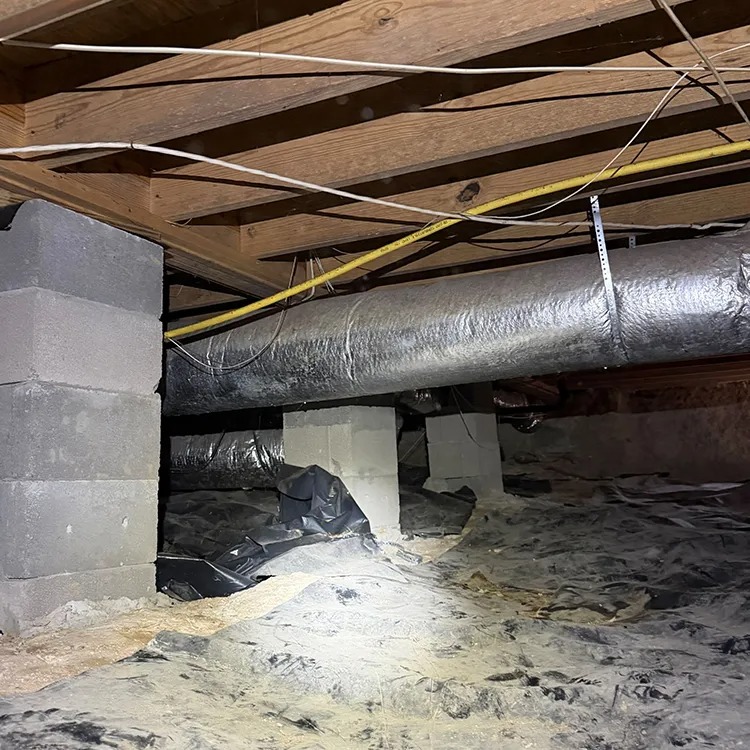
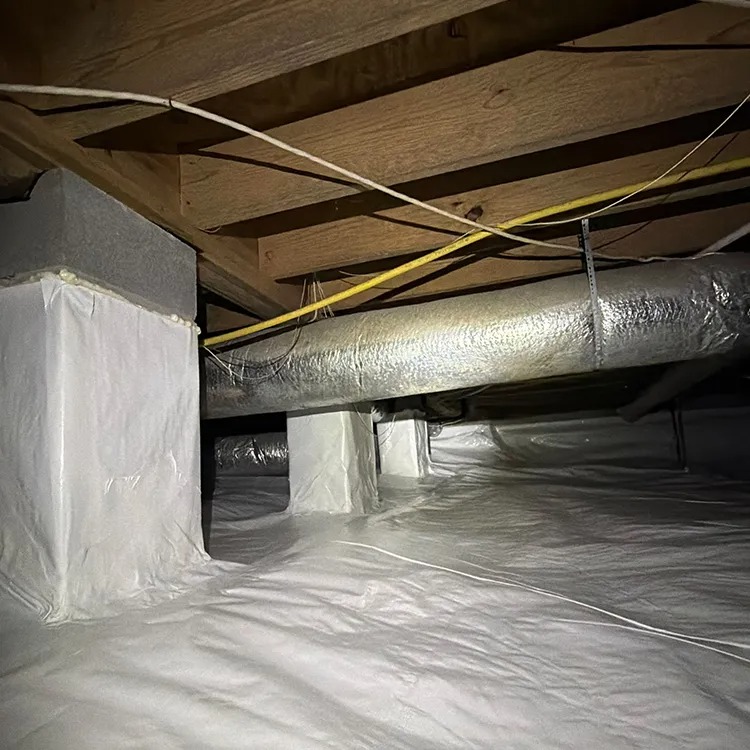
Sagging and bouncy floors occur when the structural framing beneath your home can no longer adequately support the weight above it. For many homes, the issue starts in the crawl space or basement, where floor joists may be undersized, weakened, spaced too far apart or no longer properly supported by beams or crawl space posts. Moisture damage, wood rot or foundation movement adds to it, allowing the floor system to flex, dip or become uneven over time.

  • Settling Crawl Space Support Posts

    The support posts and beams in your crawl space are designed to carry the weight of your home’s floor system. When those supports settle, shift or lose stability, the floor above can start to sag, slope or feel bouncy.

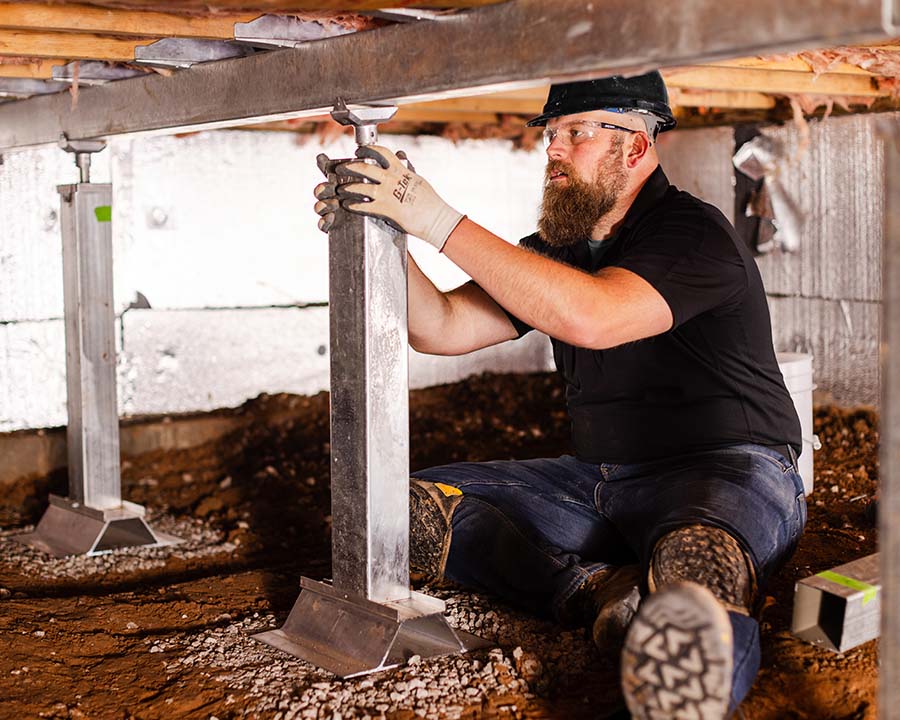
    Crawl space supports can settle for several reasons, including weak soil, inadequate footings, aging materials or long-term structural movement. As the supports settle or shift, the beams and floor joists above lose the solid support they need, which allows floors to dip or flex under normal use. Reinforcing the support system with engineered steel supports like SmartJack® helps stabilize the floor permanently.

  • Weak or Damaged Floor Joists

    Floor joists are the structural framing that supports the subfloor and finished flooring. When they weaken or get damaged, the floor can begin to bounce, sag or feel soft underfoot.

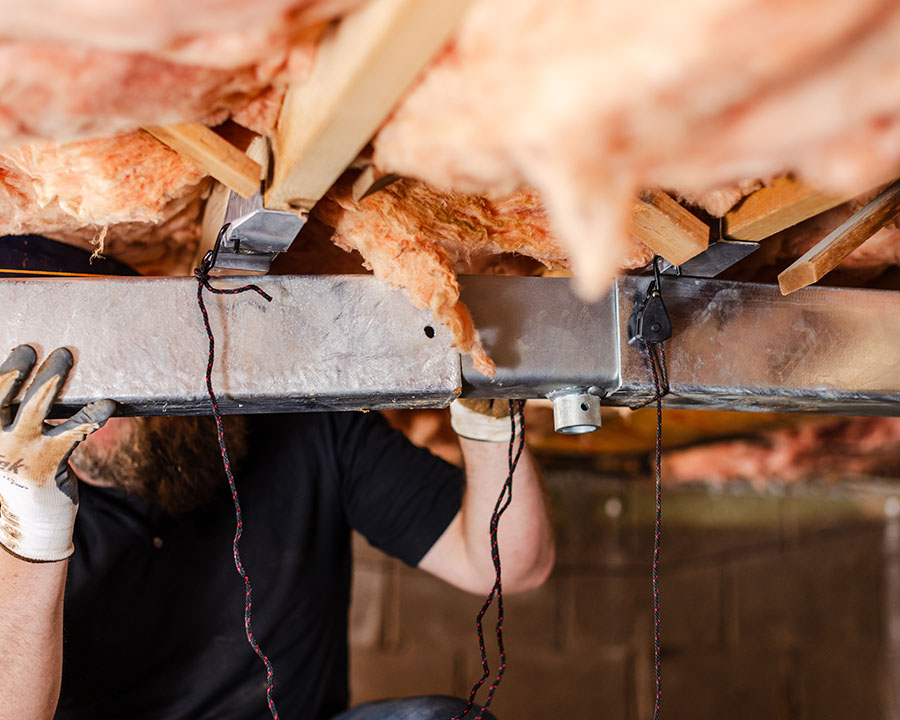
    With time, floor joists can lose strength because of age, excessive spans, heavy loads, moisture damage or wood rot. In some homes, the original framing simply wasn’t built to meet today’s structural demands. Reinforcing weakened joists and installing additional support below them helps restore stability and cut down on floor movement.

  • Crawl Space Moisture & Foundation Movement

    Both moisture and foundation settlement can affect the structural components that support your floors. As wood takes on moisture or the foundation shifts, the floor system above may end up uneven or unstable.

    High humidity, standing water and poor drainage can result in wood rot and weakened framing in the crawl space. At the same time, foundation settlement can leave one area of the home sinking more than another, which creates sloping or uneven floors. During a professional inspection, we determine whether moisture, foundation movement or a combination of factors is contributing to the problem, so we can recommend the correct long-term repair solution.

How Floor Support Problems Develop

  • The Supports Begin to Weaken

    Moisture, weak soil, aging posts or inadequate framing begin to reduce the strength of the support system beneath the floor. At this stage, the change may be subtle and difficult to notice from inside the home.

  • Floors Begin to Dip or Bounce

    Once joists, beams or support posts lose strength, the floor above begins to give under its own weight. You may notice a slight bounce, a low spot, small flooring cracks or furniture that no longer sits level.
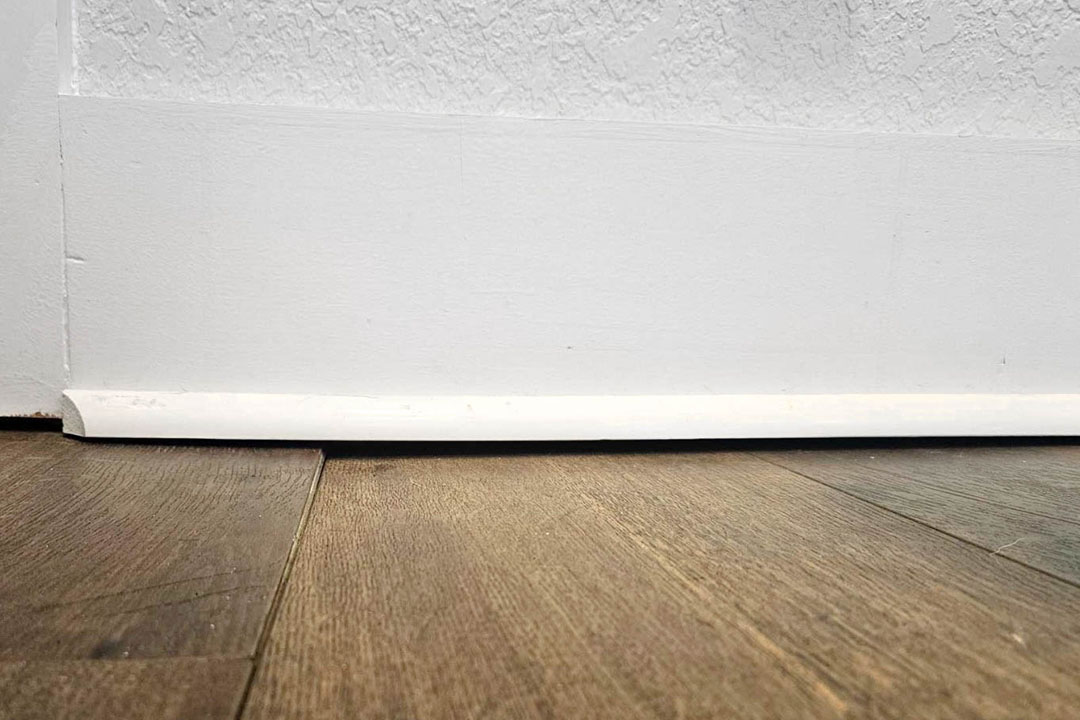
  • Floors Keep Sagging and Shifting

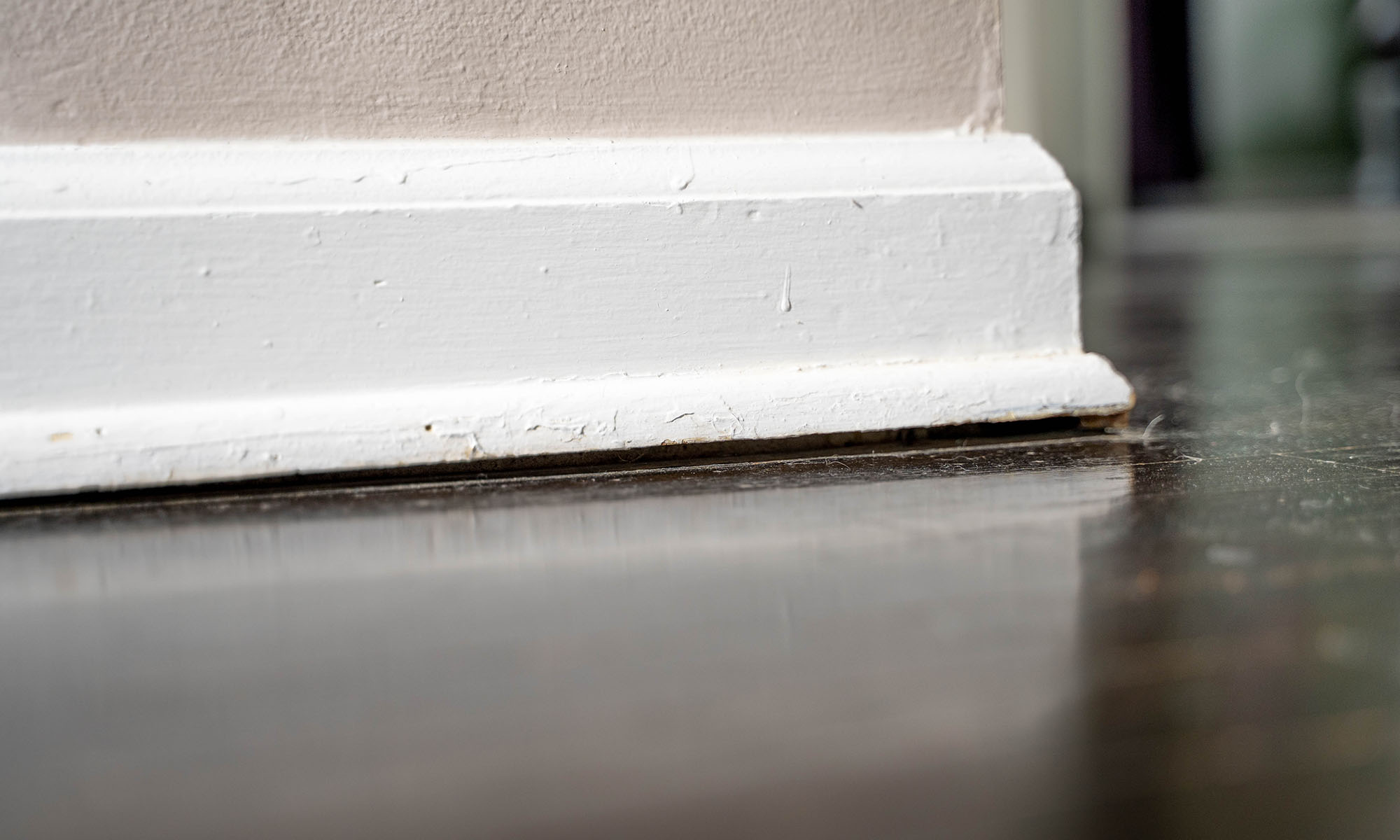
    Without repair, the unsupported area will often continue to settle or sag. Floors can become noticeably uneven, gaps can form along walls and baseboards and doors or interior finishes may begin showing related movement.

Our Solutions for Sagging & Bouncy Floor Repair

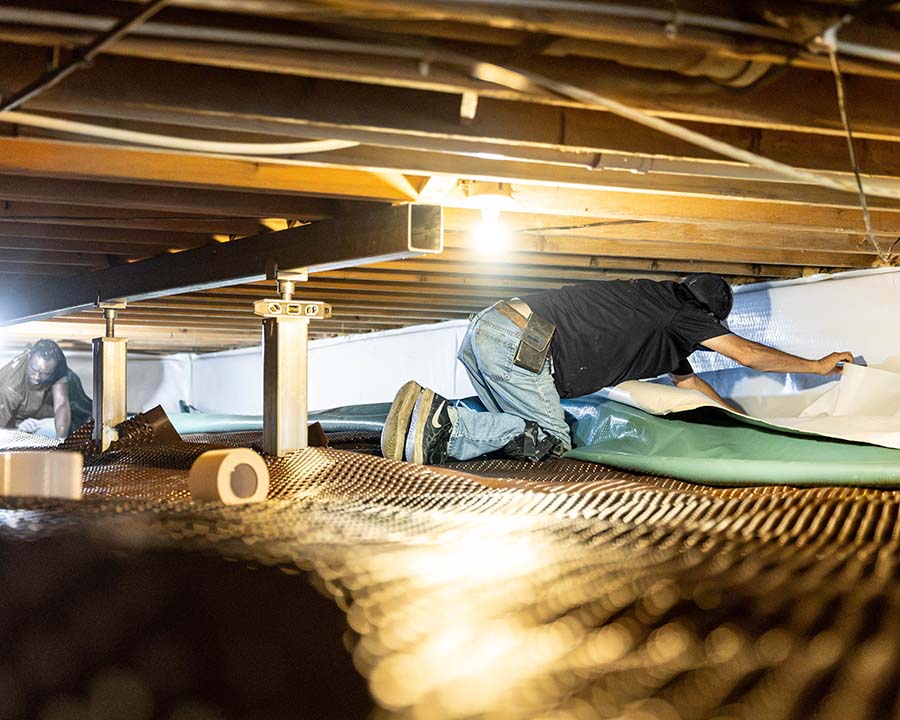
Sagging floor repair begins by stabilizing the structural support system beneath your home. Instead of replacing the flooring itself, The Foundation Specialists reinforces the weakened beams and floor joists from the crawl space or basement with the SmartJack® crawl space support system. The result: a stronger, more stable floor with reduced movement and long-term support.

  • SmartJack® System

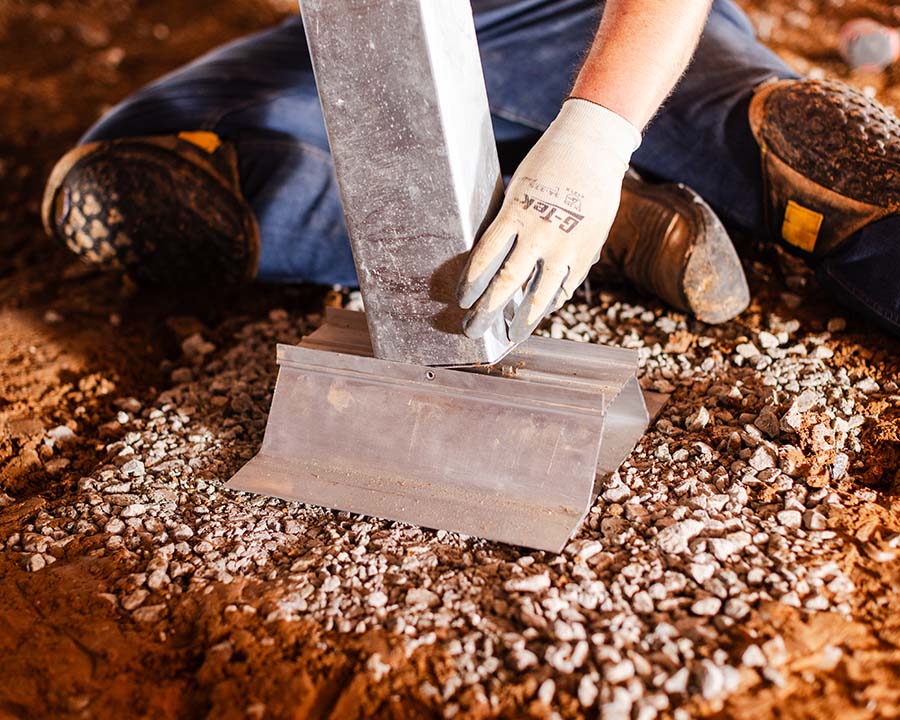
    Engineered steel supports permanently reinforce weakened floor joists and beams, helping reduce floor bounce, strengthen the floor system and lift sagging floors toward their original position.

    Unlike temporary screw jacks you’ll find at hardware stores, SmartJack is an engineered permanent support system designed specifically for residential floor stabilization.

How It Works

Sagging and Bouncy Floor Repair
Benefits

Why Local Homeowners Trust The Foundation Specialists

Body Copy Specific to Each Dealer

What To Expect

Ready to get started?

Schedule a free estimate to start your repair journey with The Foundation Specialists.

Schedule your inspection

Fill out our form or give us a call to book your inspection. Share what you’ve noticed so we can send the right expert to your home.

Full home
inspection

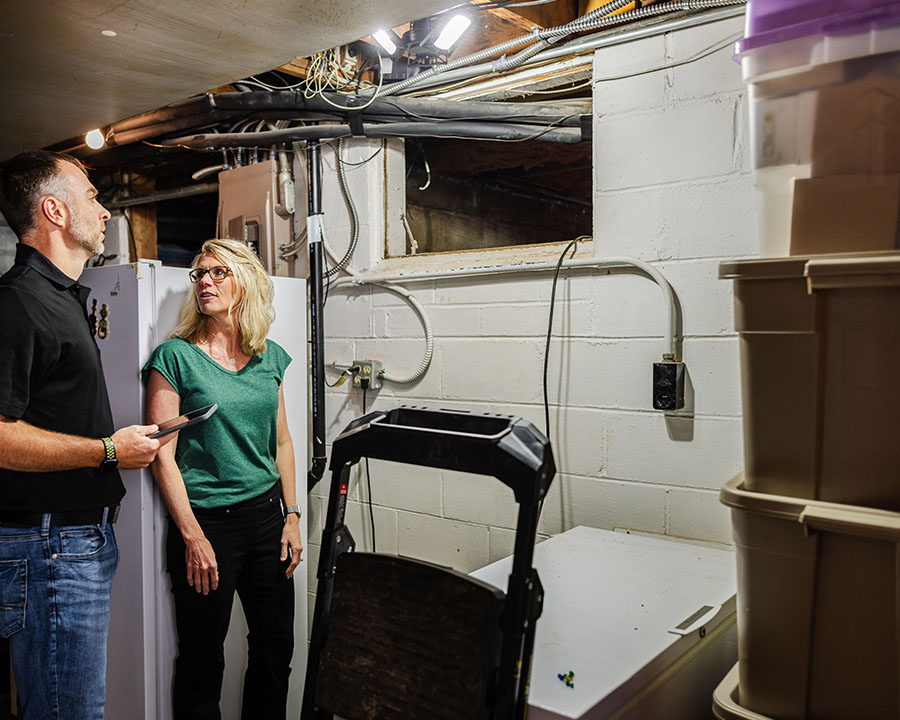
An expert will inspect the problem area and surrounding conditions, including soil movement, drainage, structural integrity, and any related concerns.

Clear explanation
of findings

We’ll walk you through what we’re seeing in easy-to-understand language so you know the root cause of the issue, not just the symptoms.

Review recommendations

If repairs are needed, we’ll outline your options, pricing, and timeline so you can make the best decision for your home.

Schedule your free inspection—

It'll only take
a minute

Meet with a trusted expert, and get
clear answers about your home.

"*" indicates required fields

1Your Info
2Schedule Your Inspection
3Review & Submit

Customer Information

Don't just take our word for it

See what our customers have to say about our work.

Before & after photos

Check out before and after photos from some of our completed projects.

Find Your Local TFS Location

Whether you need foundation repair, basement waterproofing, crawl space repair, concrete lifting, or one of our many other services, The Foundation Specialists can help. Our highly experienced team is proud to serve communities throughout Tennessee, Kentucky and Indiana.

Frequently Asked Questions

Is a sloping floor normal in an older home? 2026-10-01T11:14:08-05:00

Some variation may be common in older homes, but a noticeable slope, a worsening dip or new movement should be evaluated. Age alone is not an explanation for structural supports beneath a floor settling, weakening or deteriorating. 

How long does sagging floor repair take? 2026-10-01T11:13:42-05:00

A number of SmartJack® installations can be completed in one or two days, although the schedule depends on the number of supports needed, crawl space access, structural damage, moisture conditions and whether additional repairs are required. 

Will SmartJack® supports stop floors from bouncing? 2026-10-01T11:13:15-05:00

SmartJack® supports can substantially reduce bounce when inadequate support beneath the beams or joists is causing the movement. We may also recommend supplemental beams or joist reinforcement when the framing itself lacks sufficient stiffness. 

Do you have to remove the flooring to fix a sagging floor? 2026-10-01T11:12:46-05:00

Typically not. SmartJack® supports and supplemental beams go in from the crawl space or basement below, allowing the underlying support system to be repaired without tearing out finished floors. 

Can sagging floors be lifted back up? 2026-10-01T11:12:14-05:00

In many cases, SmartJack® supports can help raise sagging floor areas closer to their original position while permanently stabilizing the structure. The amount of correction depends on how long the floor has been sagging, the condition of the framing and how the home responds during repair. 

Are bouncy floors dangerous? 2026-10-01T11:11:30-05:00

Not always, but growing movement should not be ignored. Severe bounce, soft spots, visible sagging, cracked flooring or related wall and door problems may indicate weakened structural components that could continue to deteriorate. 

Are sagging floors a foundation problem? 2026-10-01T11:10:58-05:00

In some cases, yes. Some sagging floors are caused by weakened crawl space framing, while others develop because part of the foundation has settled. Identifying the actual source takes a professional inspection of the floor system, crawl space and foundation. 

Why does my floor bounce when I walk? 2026-10-01T11:10:08-05:00

A bouncy floor usually means the joists or beams beneath it are flexing too much under weight. The framing may be undersized, spanned too far, weakened by moisture or no longer properly supported by the posts or foundation below. 

What causes floors to sag? 2026-10-01T11:09:30-05:00

Sagging floors usually come down to weakened floor joists, settling support posts, damaged beams, crawl space moisture, wood rot or foundation settlement. As the structural system below the floor loses strength or support, the floor above begins to dip, slope or sit unevenly. 

Related pages

Service Areas

The Foundation Specialists are located throughout Tennessee, Kentucky and Indiana.

Resources

Access valuable resources to help keep your home healthy and your family safe.

The Thrasher Promise

At The Foundation Specialists, we pride ourselves on providing permanent solutions, and stand behind our work with industry-leading, fully transferable warranties and guarantees.

Schedule your free inspection today

Don’t let unanswered questions about your
home worry you any longer.
Go to Top