What Is a Crawl Space Drainage System?
A crawl space drainage system gathers water that enters beneath your home and routes it to a sump pump. A perforated drainage pipe sits in a gravel-filled trench along the interior perimeter, with filter fabric helping keep soil and debris out.
From there, the crawl space sump pump removes the collected water and discharges it away from the foundation. Drainage is often combined with crawl space encapsulation to help control ground moisture and humid air.

Symptoms
Signs Your Crawl Space Needs Drainage
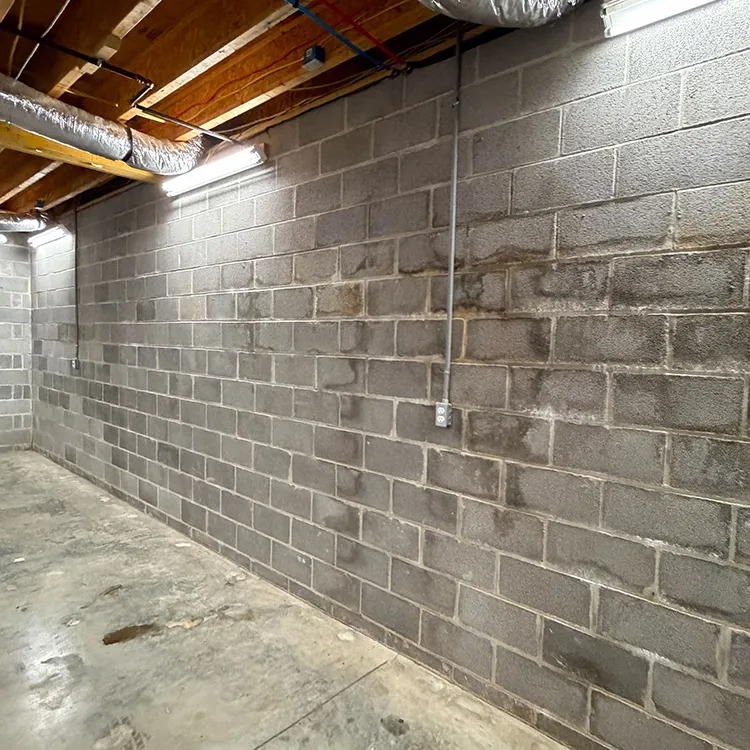
Standing water, muddy or constantly wet soil, water stains on foundation walls and white, chalky efflorescence can all signal a drainage problem. Take note of when the water appears, too. A crawl space that repeatedly gets wet after heavy rain or never fully dries between storms may need a better way to capture and remove incoming water.
You might also notice musty odors, damp or drooping insulation, rising indoor humidity, pest activity or floors that feel soft, springy or uneven. These symptoms can point to an ongoing water problem below your home.
Our Crawl Space Drainage Options
For standing water and ground that stays wet after every rain
Interior Perimeter Drain (Crawl Space French Drain)
An interior perimeter drain captures water where it most often enters the crawl space—along the foundation walls and footing. Installed below the crawl space floor, the drain creates a controlled path for incoming water to reach the sump basin instead of spreading across the soil or pooling beneath your home.
For water that pools with nowhere to go
Crawl Space Sump Pump
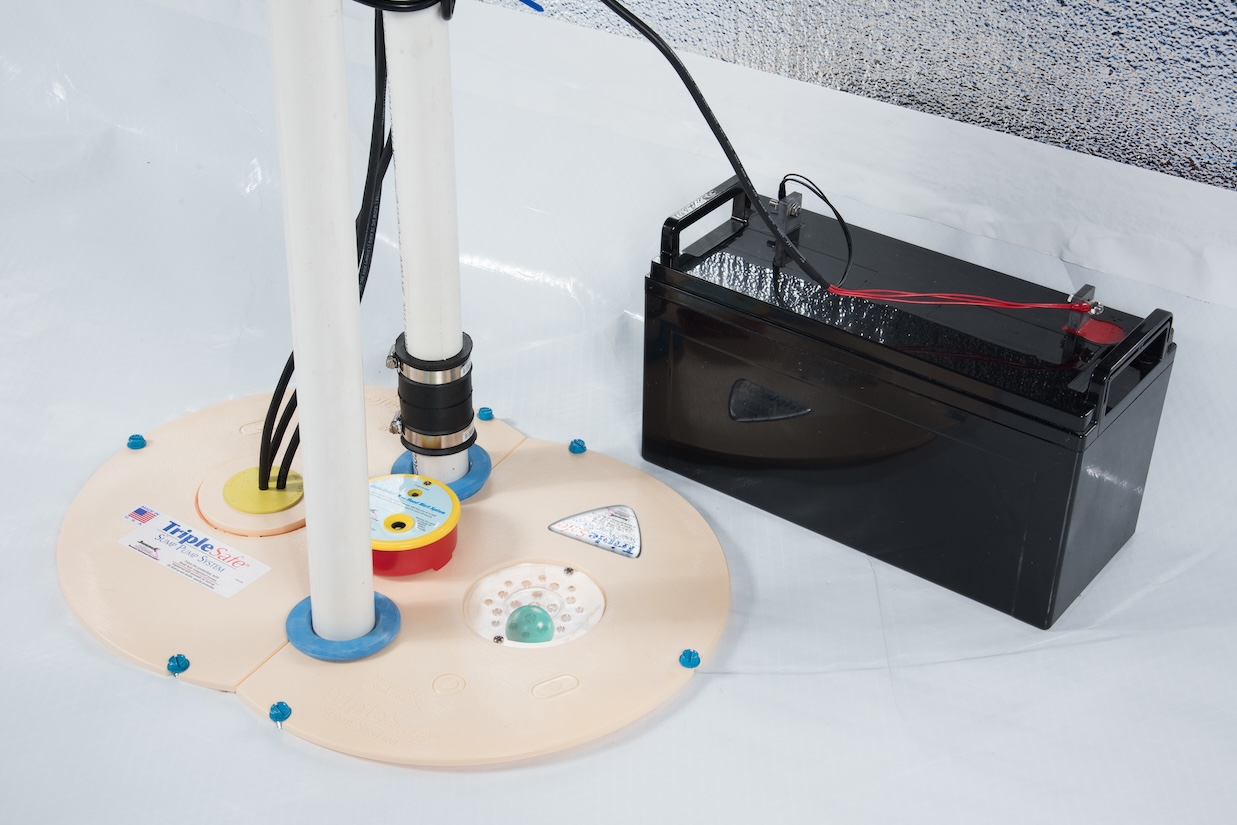
A crawl space sump pump provides collected water a way out. Water from the perimeter drainage system flows into a sump basin, where the pump automatically removes it and sends it through a discharge line away from the foundation. Together, the drain and sump pump form a continuous path for managing water beneath your home.

For damp, uneven dirt crawl space floors
Drainage Matting
Drainage matting creates a durable layer over dirt or uneven crawl space floors and leaves space for water to move beneath the surface. Its dimpled design helps move water toward the perimeter drainage system instead of allowing it to become trapped beneath a vapor barrier. It also creates a more uniform surface for installing additional moisture protection.

For moisture problems that drainage alone won't fix
Vapor Barrier & Crawl Space Encapsulation
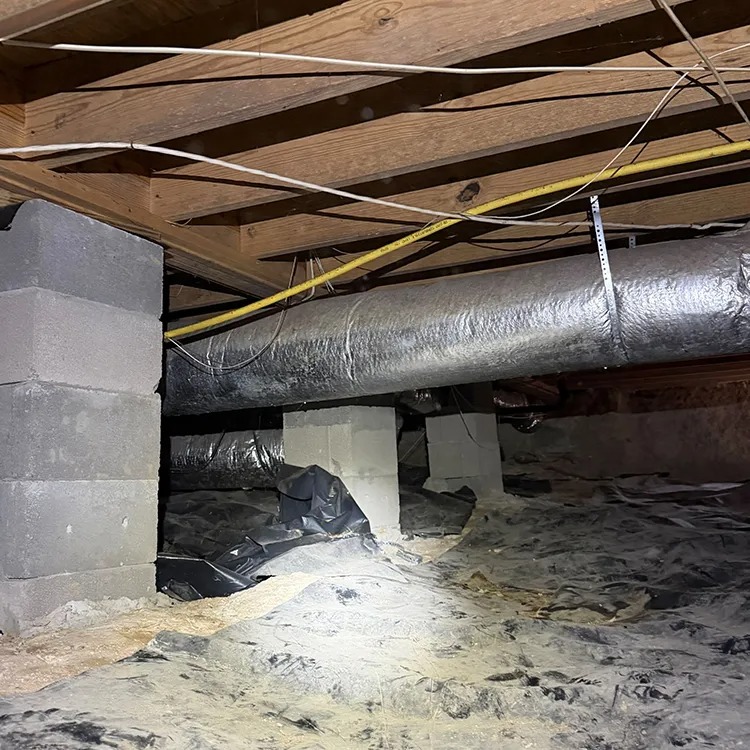
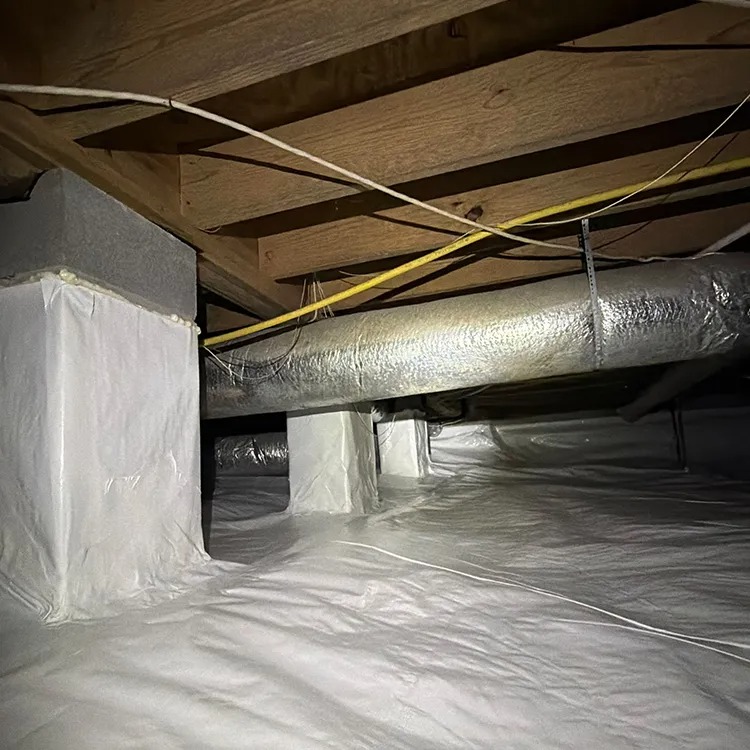
Drainage addresses liquid water, though it won’t stop moisture from evaporating out of exposed soil or humid outside air from entering the crawl space. A vapor barrier or full crawl space encapsulation system adds that next layer of protection by isolating the crawl space from moisture sources that drainage alone isn’t designed to control.

How It Works
How The Foundation Specialists Installs Crawl Space Drainage Systems


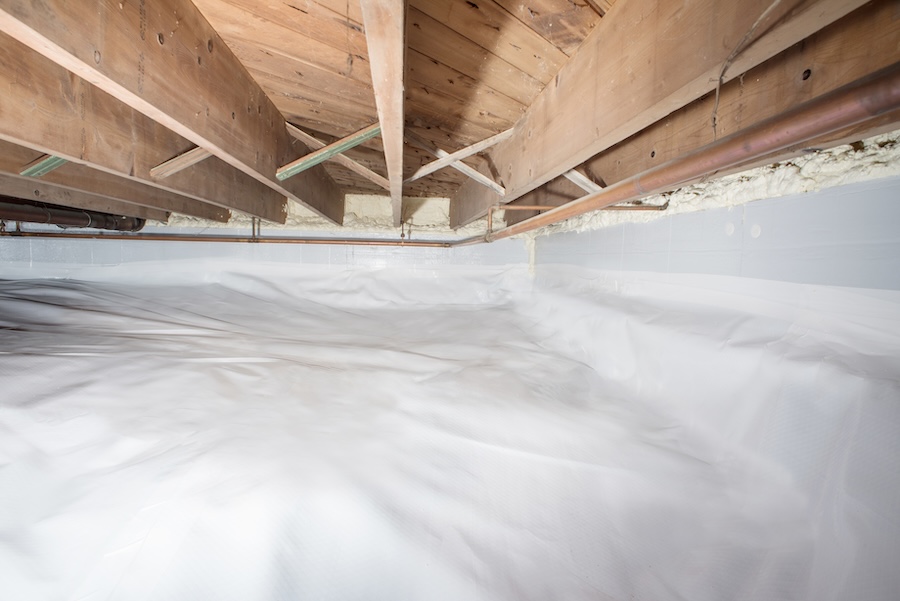

Interior vs. Exterior Crawl Space Drainage: What Does Your Home Need?
Interior crawl space drainage is set along the inside perimeter to capture water that reaches the foundation and direct it to a sump pump. It’s often well suited to existing homes since installation doesn’t require excavating around the exterior. Exterior drainage catches water before it reaches the foundation, but it typically requires excavation. Depending on the source, improvements to gutter drainage, grading or downspout discharge may also be necessary. Some homes benefit from a combination of interior and exterior water management.

What To Expect
Ready to get started?
Schedule a free estimate to start your repair journey with The Foundation Specialists.

Schedule your inspection
Fill out our form or give us a call to book your inspection. Share what you’ve noticed so we can send the right expert to your home.

Full home
inspection
An expert will inspect the problem area and surrounding conditions, including soil movement, drainage, structural integrity, and any related concerns.

Clear explanation
of findings
We’ll walk you through what we’re seeing in easy-to-understand language so you know the root cause of the issue, not just the symptoms.

Review recommendations
If repairs are needed, we’ll outline your options, pricing, and timeline so you can make the best decision for your home.
Schedule your free inspection—
It'll only take
a minute
Meet with a trusted expert, and get
clear answers about your home.