Sinking & Sagging Floors2026-11-06T14:42:22-06:00

Sinking & Sagging Floors Over Your Crawl Space

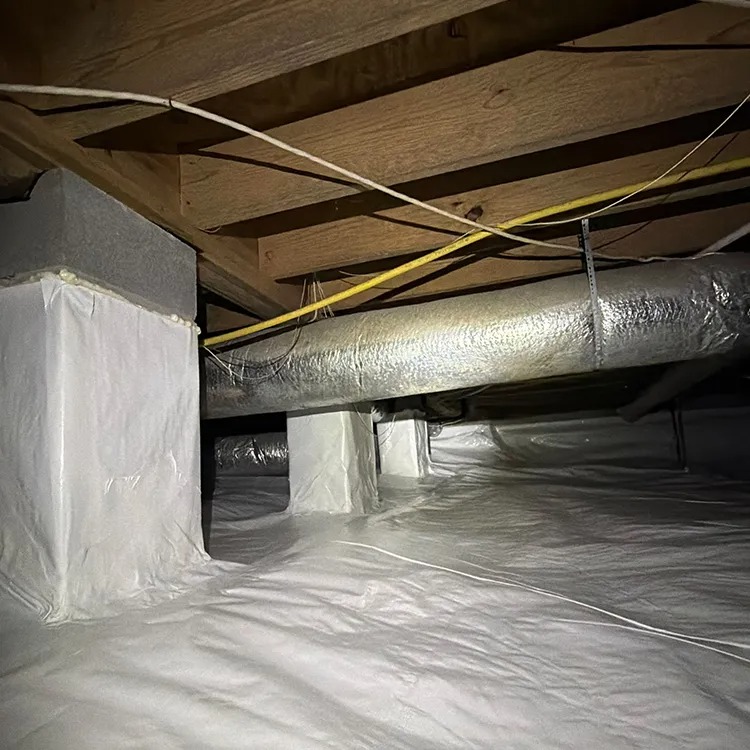
Sagging, sinking, sloping or bouncy floors can be signs that the structure beneath your home needs attention. The good news? Sagging floors above a crawl space can be fixed. The Foundation Specialists can pinpoint what's causing the problem and recommend the right crawl space repair for your home.

Symptoms

Warning Signs of Sinking and Sagging Floors

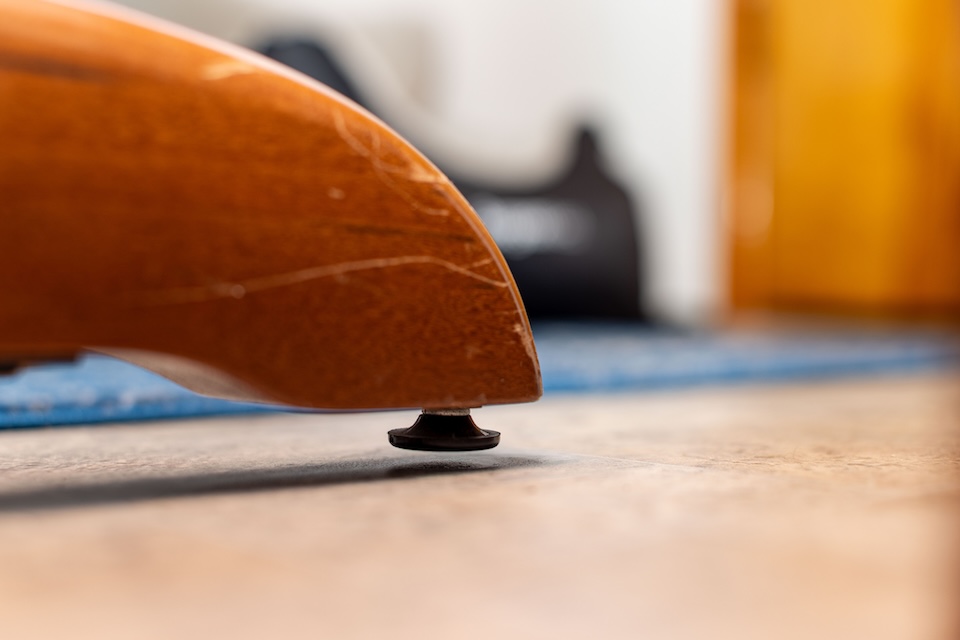
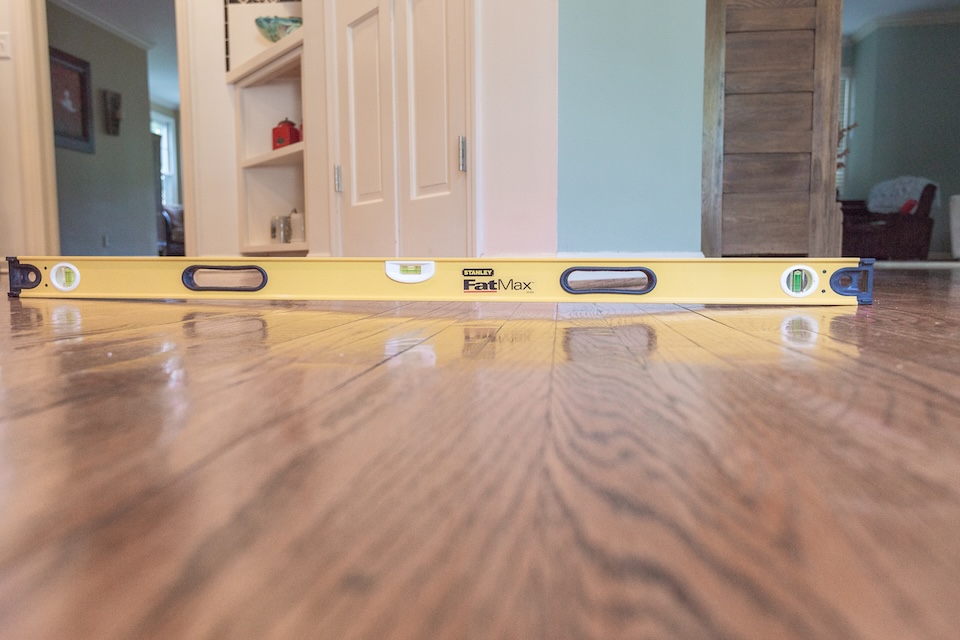
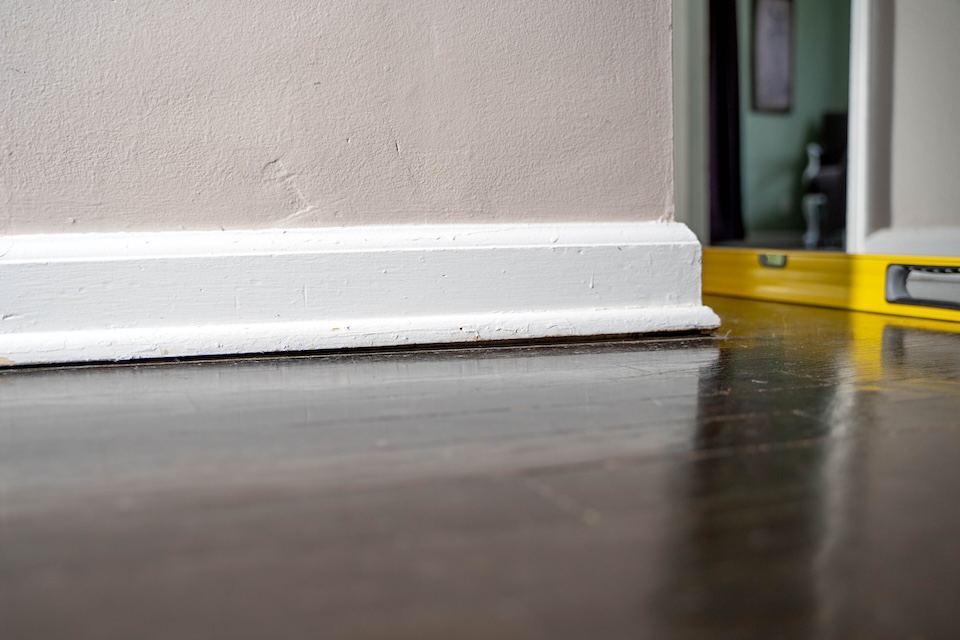
Sagging floors aren't always easy to spot at first. You may notice a floor that seems uneven or bouncy, gaps appearing around walls or cabinets or doors that suddenly won't close right. These changes can happen slowly over time, so knowing what to look for can help you spot a floor support problem earlier.
Causes

What Causes Sagging Floors Above a Crawl Space?

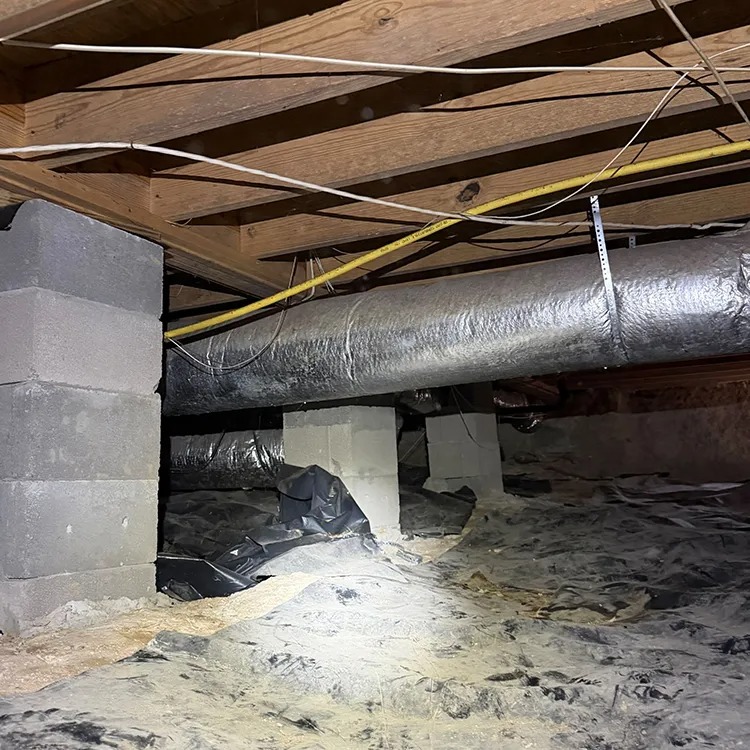
What causes sagging floors can vary from home to home and across Nashville. Moisture can deteriorate floor joists, supports can sink or fail, or the floor system may lack enough support from the start. In some homes, several problems happen at once. Determining why your floor is sagging is the first step toward the right crawl space structural repair.


  • Crawl Space Moisture & Rotting Wood

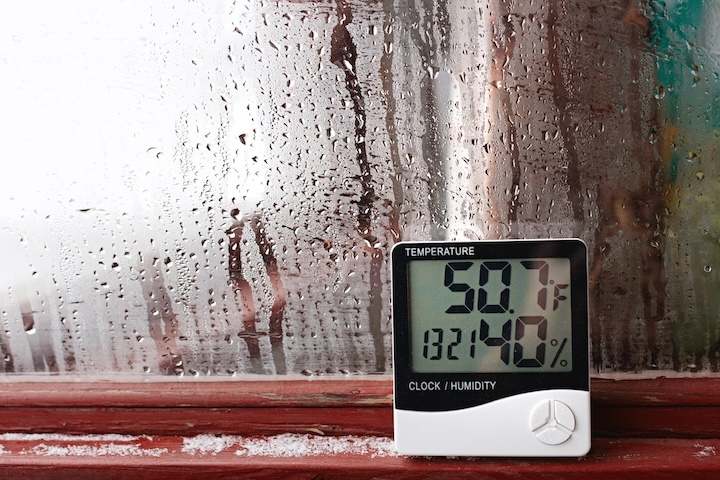
    A damp or humid crawl space can cause floor joists, beams and other wood framing to absorb moisture over time. As wood remains wet, it can lose strength, soften or begin to rot. Rotted floor joists and beams may no longer carry the load they once did, allowing the floor above to sag, bounce or feel soft.

    Moisture can enter a crawl space through groundwater, outside air, plumbing leaks or evaporation from exposed soil. When the source isn’t corrected, structural wood can stay wet enough that decay continues. A professional inspection can determine whether moisture has damaged the floor system and what repairs are needed to restore support and manage the moisture.

  • Over-Spanned Joists & Widely Spaced Supports

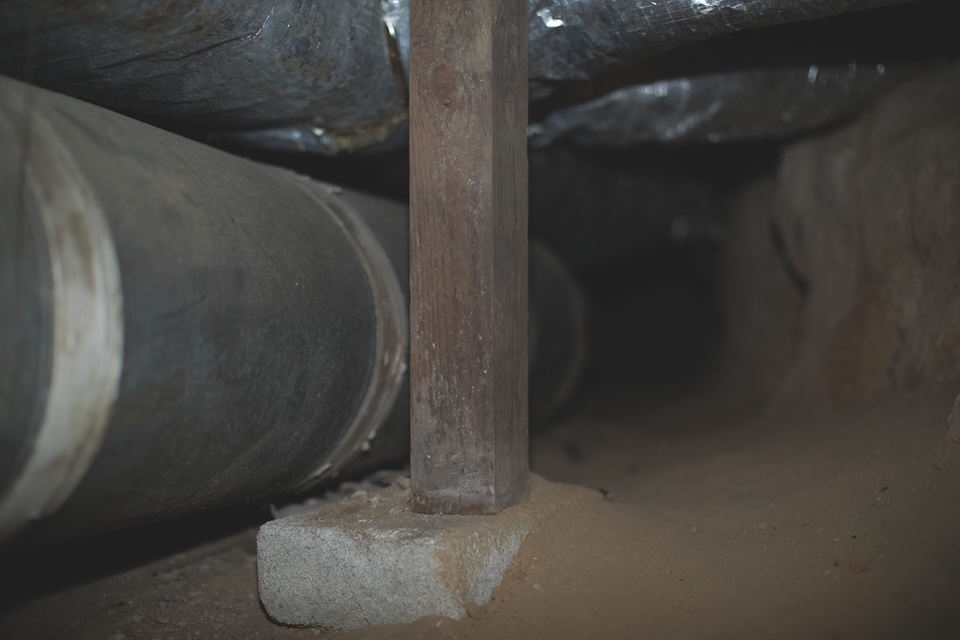
    Floor joists and beams are built to span specific distances between supports. When those spans are too long or support columns are placed too far apart, the framing can move more than intended. Over time, the floor above may begin sagging between supports, producing noticeable dips, slopes or a bouncy feel underfoot.

    A long span doesn’t necessarily mean the wood itself is damaged. The floor system may only need additional support to reduce movement and help carry the load more effectively. An inspection can identify where sagging floor joists or beams need support and whether correctly placed crawl space support posts can help steady and level the floor system.

  • Settling Supports, Weak Soil and Poor Footings

    Your floor supports are only as stable as what they rest on. Soft or poorly compacted soil can settle, and undersized or insufficient footings can move or sink. When crawl space columns move downward with them, beams and joists can lose support, sometimes causing the floor to sag noticeably in the middle of the house.

    Settlement may develop gradually as soil beneath a footing compresses or moves. Even relatively small movement below the crawl space can affect the floor system above. If settling supports are behind sinking floors, the repair needs to address the support beneath the framing, not simply cover up the uneven floor at the living-space level.

  • Failing, Improvised Supports

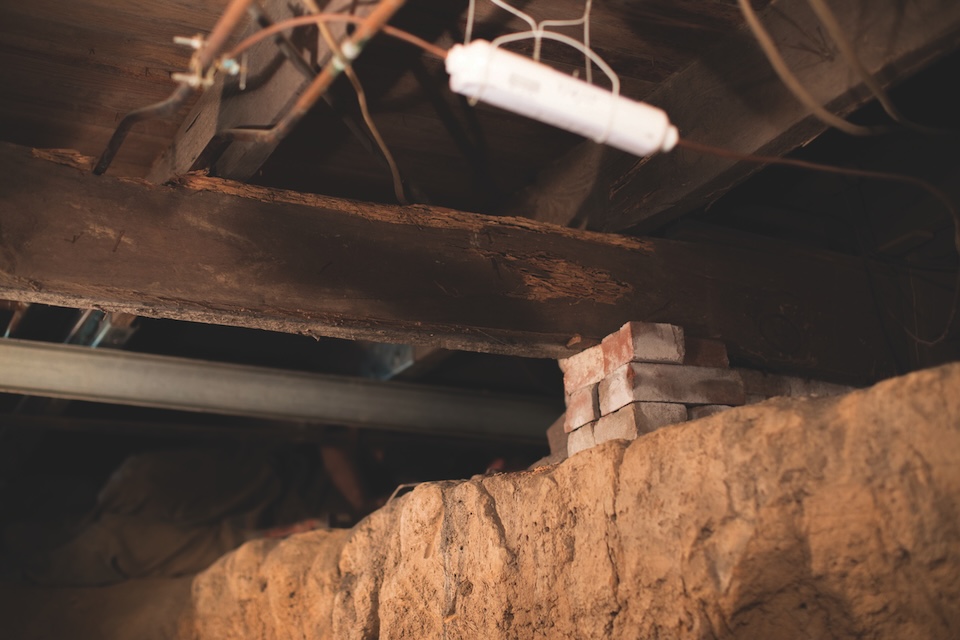
    Not every crawl space support was built to provide reliable, long-term structural support. Wood posts can deteriorate, while stacked blocks, shims or other makeshift supports can move or become unstable. When these supports can no longer carry the floor system properly, beams and joists may settle and create sagging or uneven floors above.

    Temporary repairs may also be put in over the years in an attempt to correct an already-sagging floor. If they aren’t properly sized, positioned or supported, they may not correct the underlying structural problem. Swapping inadequate supports with engineered crawl space support posts can provide a more stable way to support and, where possible, help lift sagging floors.

  • Termites and Wood-Destroying Pests

    Termites and other wood-destroying pests can damage the joists, beams, sill plates and other structural wood beneath your home. As damaged wood loses its strength, it may struggle to support the floor above. Depending on the amount and location of the damage, floors may begin sagging, bouncing, sloping or forming soft spots.

    Pest damage is often difficult to spot from inside the home because much of the affected wood is hidden in the crawl space. A structural inspection can identify damaged framing and determine what needs repair or additional support. Active termites or other infestations should also be evaluated and treated by a qualified pest-control professional.

What Happens If Sagging Floors Go Unaddressed?

  • Stage 1

    Early Signs

    A soft or bouncy spot may be the first sign that your floor system needs a closer look. You might notice a slight dip or movement underfoot, while doors, walls and other areas of the house still appear normal.

  • Stage 2

    Growing Floor Movement

    As the problem continues, the floor may take on a more noticeable slope or sag. Doors and windows may start sticking, drywall cracks can appear, and gaps may form between the floor and baseboards as the framing moves.
  • Stage 3

    Structural Damage and More Extensive Repairs

    As the underlying problem continues, floor joists, beams or supports may break down or shift further. Decayed floor joists and damaged subflooring can make repairs more involved, potentially adding subfloor repair or flooring replacement to the structural work needed.

How The Foundation Specialists Repairs Sinking & Sagging Floors in Nashville

There’s no one-size-fits-all fix for sagging floors. After inspecting your crawl space and floor system, The Foundation Specialists will identify what’s causing the problem and recommend the right crawl space repairs to restore support, address damaged wood and help prevent moisture from causing future problems.

What to Do If You Notice a Sagging Floor

Benefits

Why Homeowners Choose The Foundation Specialists

Body Copy Specific to Each Dealer

What To Expect

Ready to get started?

Schedule a free estimate to start your repair journey with The Foundation Specialists.

Schedule your inspection

Fill out our form or give us a call to book your inspection. Share what you’ve noticed so we can send the right expert to your home.

Full home
inspection

An expert will inspect the problem area and surrounding conditions, including soil movement, drainage, structural integrity, and any related concerns.

Clear explanation
of findings

We’ll walk you through what we’re seeing in easy-to-understand language so you know the root cause of the issue, not just the symptoms.

Review recommendations

If repairs are needed, we’ll outline your options, pricing, and timeline so you can make the best decision for your home.

Schedule your free inspection—

It'll only take
a minute

Meet with a trusted expert, and get
clear answers about your home.

"*" indicates required fields

1Your Info
2Schedule Your Inspection
3Review & Submit

Customer Information

Don't just take our word for it

See what our customers have to say about our work.

Before & after photos

Check out before and after photos from some of our completed projects.

Find Your Local TFS Location

Whether you need foundation repair, basement waterproofing, crawl space repair, concrete lifting, or one of our many other services, The Foundation Specialists can help. Our highly experienced team is proud to serve communities throughout Tennessee, Kentucky and Indiana.

Frequently Asked Questions

How is a sagging floor different from a sinking floor? 2026-10-06T12:25:17-05:00

The two terms are often used interchangeably, but they can describe different types of movement. A floor may sag when joists or beams flex or lose support, while sinking can occur when columns, footings or the soil below them settle. An inspection can determine what part of the floor system is actually moving. 

Is it a bad idea to buy a house with sagging floors? 2026-10-06T12:22:34-05:00

Sagging floors don’t necessarily mean walking away from a home, but they do deserve a closer look. Before buying, have the cause and extent of the problem assessed. Understanding whether the home needs added structural support, floor joist repair, moisture control or more extensive work can help you make an informed decision. 

How much does it cost to fix sagging floors in Nashville? 2026-10-06T12:22:04-05:00

Sagging floor repair cost depends on the cause, extent of damage and repairs needed. Adding crawl space support jacks may cost something different than repairing rotted floor joists or addressing moisture problems. The Foundation Specialists offers free inspections in Nashville to determine the problem and provide recommended solutions and pricing. 

How long does sagging floor repair take? 2026-10-06T12:21:35-05:00

How long it takes depends on what’s causing the sagging and how much repair is needed. Installing structural supports like the SmartJack® system may go faster than a project involving extensive wood or subfloor repair, moisture control or multiple problem areas. After inspecting your crawl space, The Foundation Specialists can walk you through the recommended repairs and expected timeline. 

Can a sagging floor be raised back to level? 2026-10-06T12:21:06-05:00

In some cases, crawl space support jacks can gradually raise sagging beams and floor joists toward a more level position while providing permanent support. How much correction is possible depends on the cause, severity and condition of the floor system. An inspection can determine whether lifting and leveling are appropriate for your home. 

Can sagging floors be fixed without replacing the whole floor? 2026-10-06T12:20:37-05:00

Yes, sagging floors can often be fixed without replacing the whole floor. If the flooring and subfloor are still in good shape, the repair may center on the structure underneath. Depending on the cause, that could include adding crawl space support jacks or repairing damaged joists and beams. More widespread wood rot or damage may require some wood, subfloor or flooring replacement. 

Are sagging floors dangerous or just cosmetic? 2026-10-06T12:20:11-05:00

Sagging floors are rarely just a cosmetic issue. They can indicate weakened floor joists, settling supports, wood rot or other problems with the structure beneath your floor. Even if the sag seems minor, it’s worth having the crawl space inspected to pinpoint the cause and whether structural repair is needed. 

What causes sagging floors over a crawl space? 2026-10-06T12:19:44-05:00

Sagging floors can be caused by too much crawl space moisture, wood rot, inadequate support, settling columns or footings or termite and pest damage. Sometimes, more than one issue is involved. A crawl space inspection can determine what’s going on beneath the floor and what type of structural or moisture-control repair is needed. 

Related pages

Service Areas

The Foundation Specialists are located throughout Tennessee, Kentucky and Indiana.

Resources

Access valuable resources to help keep your home healthy and your family safe.

The Thrasher Promise

At The Foundation Specialists, we pride ourselves on providing permanent solutions, and stand behind our work with industry-leading, fully transferable warranties and guarantees.

Schedule your free inspection today

Don’t let unanswered questions about your
home worry you any longer.
Go to Top