Sinking Stoop2026-10-13T16:35:55-05:00

Sinking Stoop in Nashville

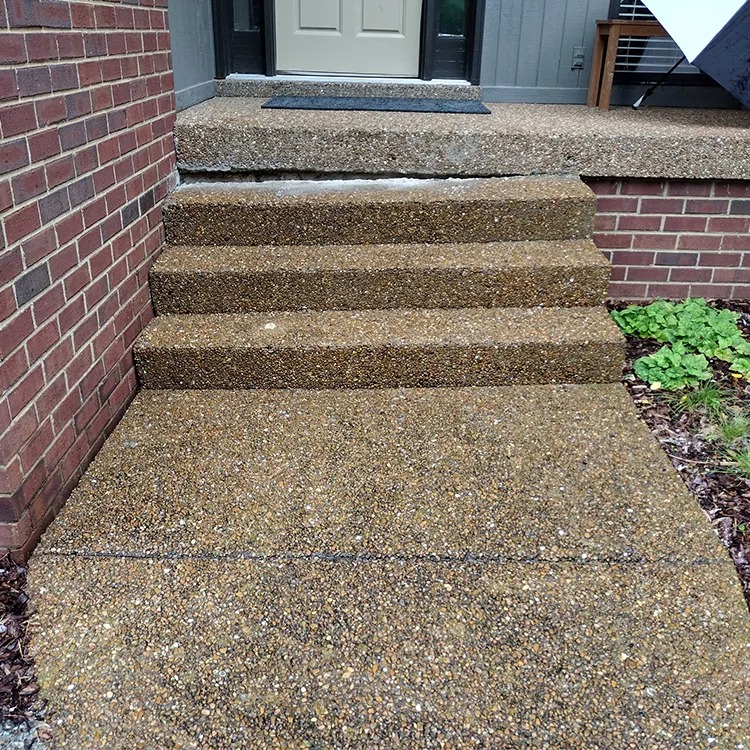
A sinking front stoop tends to settle slowly, leaving homeowners with uneven steps, widening gaps where the stoop meets the house and possible tripping hazards. In Nashville, variable soil conditions, moisture changes and freeze-thaw cycles frequently cause concrete stoops to settle over time. Settlement is widespread throughout Nashville, and the concrete can often be restored without the expense of tearing it out and replacing it.

Symptoms

Signs Your Sinking Stoop Needs Attention

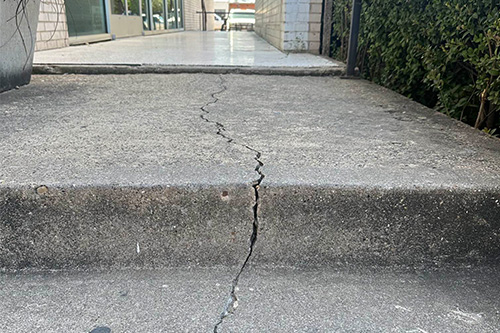
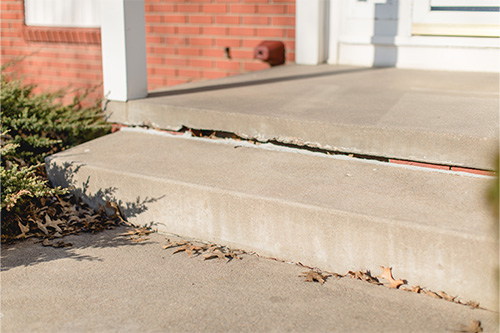
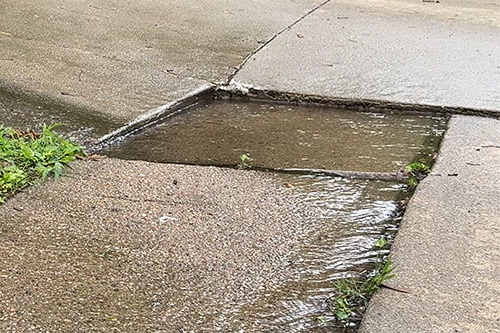
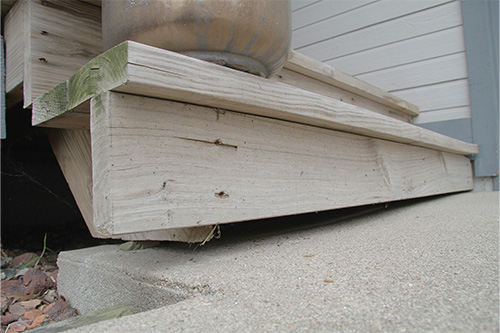
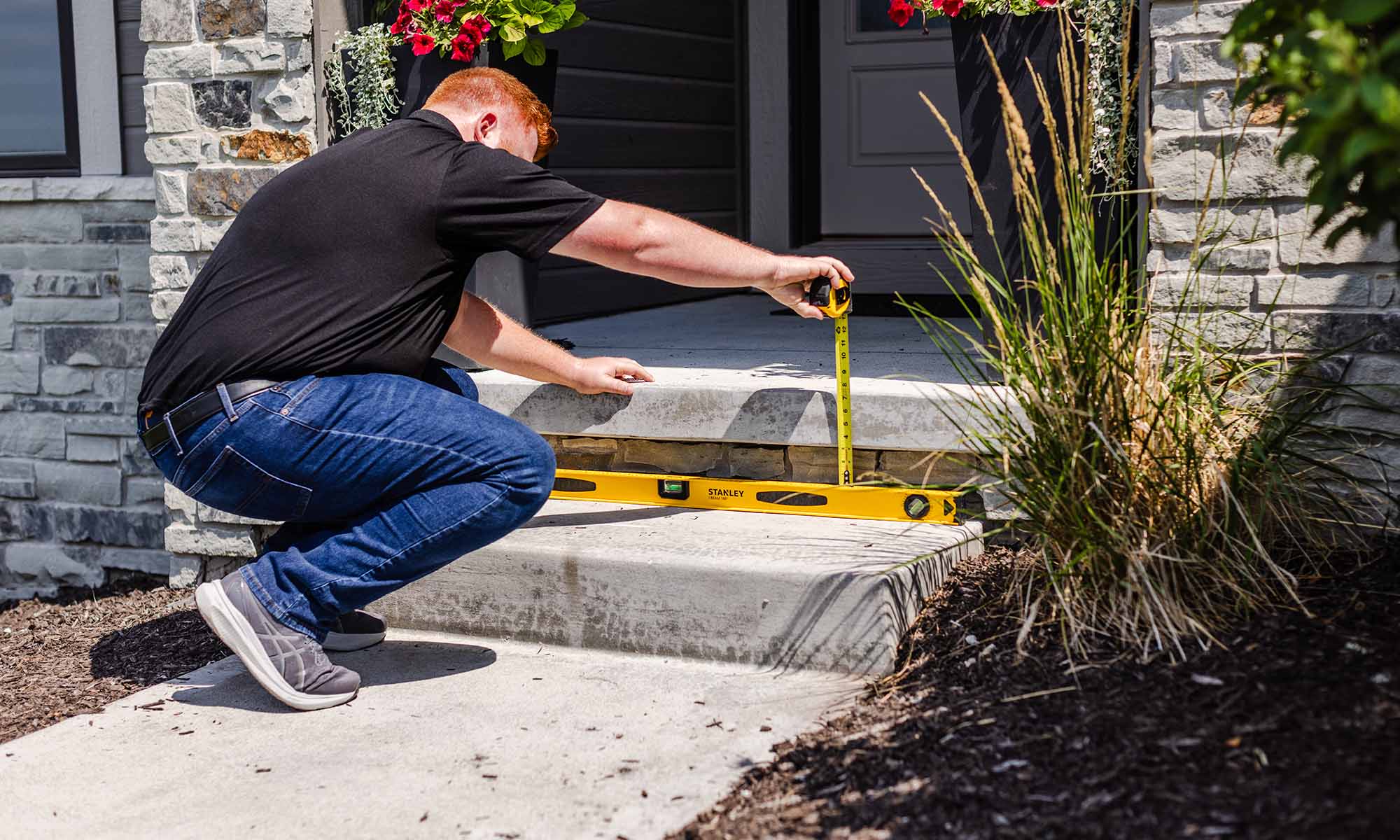
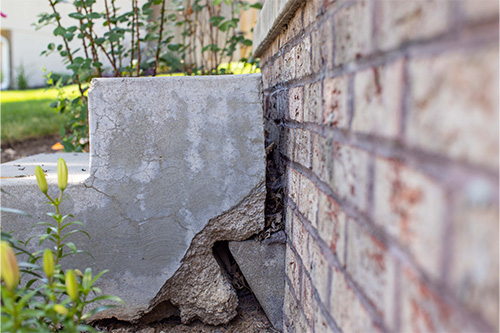
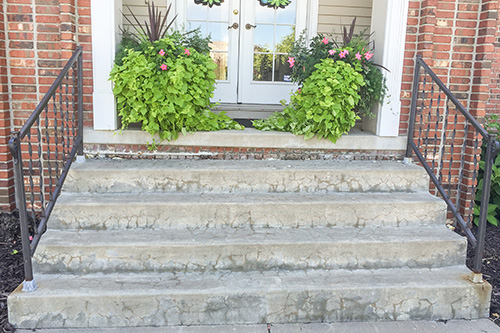
The early signs of stoop settlement are often subtle, making them easy to overlook at first. As the soil below continues to shift, uneven concrete, widening gaps and similar changes become more obvious and create safety concerns. Although a sinking stoop doesn't always mean your home's foundation is settling, both problems can share similar causes. A professional inspection can tell whether the movement is isolated to the stoop or part of a bigger settlement issue. If you spot any of the signs below, schedule a professional inspection to pinpoint the cause and help keep the problem from worsening.
Causes

What Makes a Front Stoop Sink?

In many cases, the concrete stoop itself is structurally sound: the real problem is the soil beneath it. A concrete stoop needs stable, well-supported soil underneath to remain level. When the supporting soil settles, shrinks, expands or washes away, the concrete loses the support it needs and begins to sink. Although this movement usually happens gradually, it's almost always caused by changing soil conditions, not failing concrete. Even newly built homes can experience stoop settlement if the fill soil beneath the concrete wasn't properly compacted during construction. Most stoop settlement can be traced back to one or more of the following conditions.
  • Poorly Compacted Fill Soil

    Many front stoops are built on fill soil placed during construction. Should that soil settle over time, the stoop can begin to sink.

    If fill soil isn’t compacted correctly before the pour, it may continue to settle long after construction wraps up. As the soil compresses under the weight of the stoop, sections of the concrete can become uneven or pull away from the home.

  • Heavy Rainfall & Soil Erosion

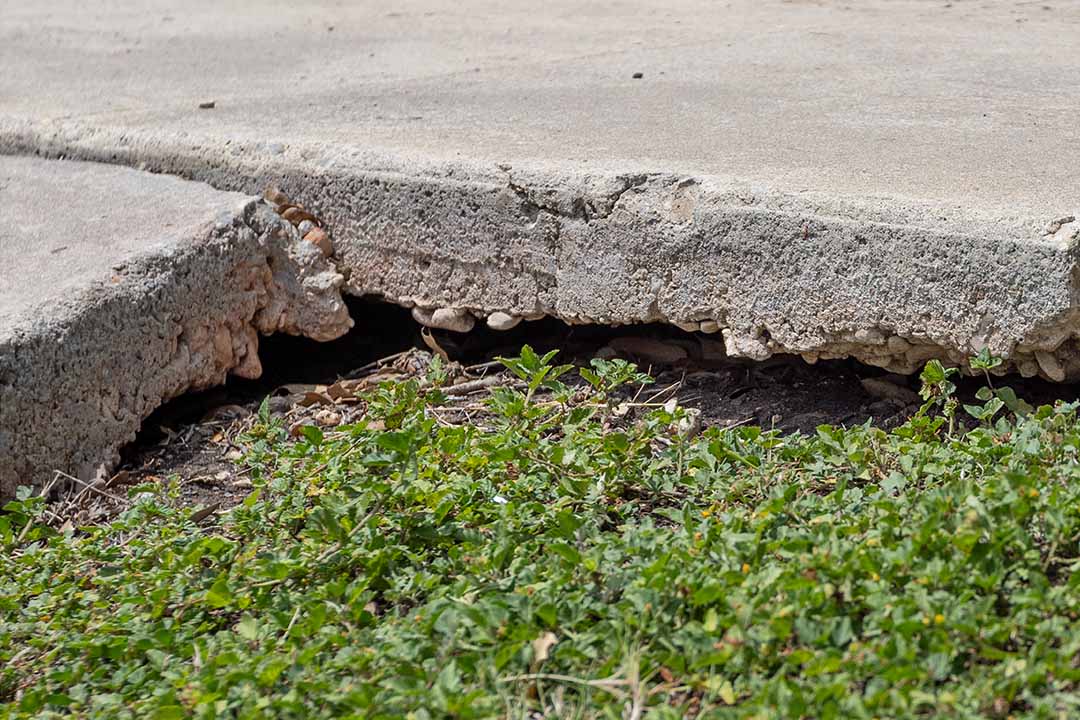
    Running water can wash away the soil supporting your stoop, leaving sections of the concrete without adequate support.

    Downpours, poor drainage or overflowing gutters can gradually erode the soil beneath a stoop. As supporting soil erodes, empty spaces develop under the concrete, letting it settle or sink over time.

  • Expansive & Shrinking Soils

    Changes in soil moisture can cause the ground beneath a stoop to repeatedly expand and shrink.

    Certain soils naturally swell with moisture and shrink during dry spells. Throughout Nashville, seasonal shifts in moisture can trigger these repeated cycles of swelling and shrinking, letting the supporting soil beneath a stoop move over time.

  • Freeze-Thaw Cycles

    Freeze-thaw cycles throughout the season can gradually move the soil under a concrete stoop.

    Moisture in the ground expands as it freezes. As temperatures rise, the soil thaws and settles again. Over and over, freeze-thaw cycles can disturb the soil under the stoop and contribute to long-term settlement.

  • Water Collecting Near the Foundation

    Bad drainage around your front entrance can weaken the soil that supports your stoop.

    If water keeps collecting near the foundation, the soil can grow oversaturated and lose strength. Eventually, this weakens the support under the stoop and increases the chance of settlement and soil erosion.

What Happens If You Don't Repair a Sinking Stoop?
  • Stage 1

    Small Gaps and Uneven Steps

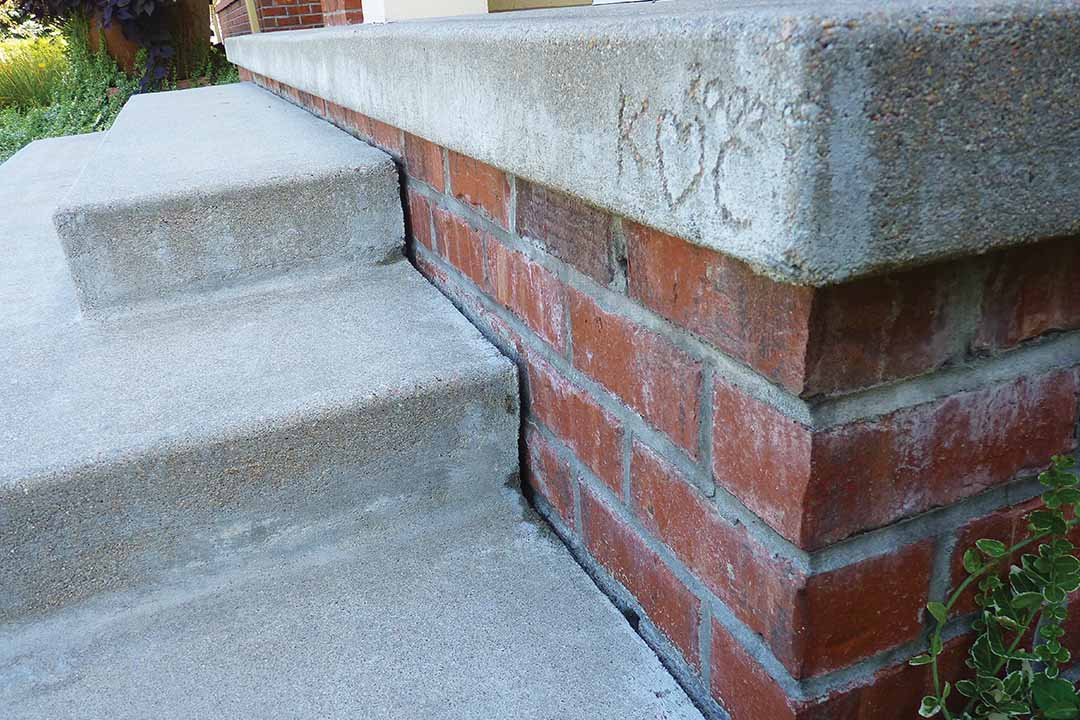
    As the stoop starts to settle, you may notice small gaps where it meets the home or slight changes in step height. While these signs can seem small, they frequently point to supporting soil that’s starting to move.

  • Stage 2

    Increased Safety Hazards

    With continued settlement, the stoop may turn more uneven, cracks can spread and height differences between the stoop, walkway or steps become more noticeable. These changes increase the risk of trips and falls while making your home’s entry less stable.

  • Stage 3

    Continued Settlement and Water Problems

    Left unrepaired, the stoop can keep sinking as the underlying soil loses more support. Larger gaps may allow water to pool near the foundation, increasing the risk of soil erosion and making future repairs more involved. Addressing the problem early can often help prevent additional settlement and restore a safer, more stable entrance before the damage progresses.

How The Foundation Specialists Permanently Repairs Sinking Stoops

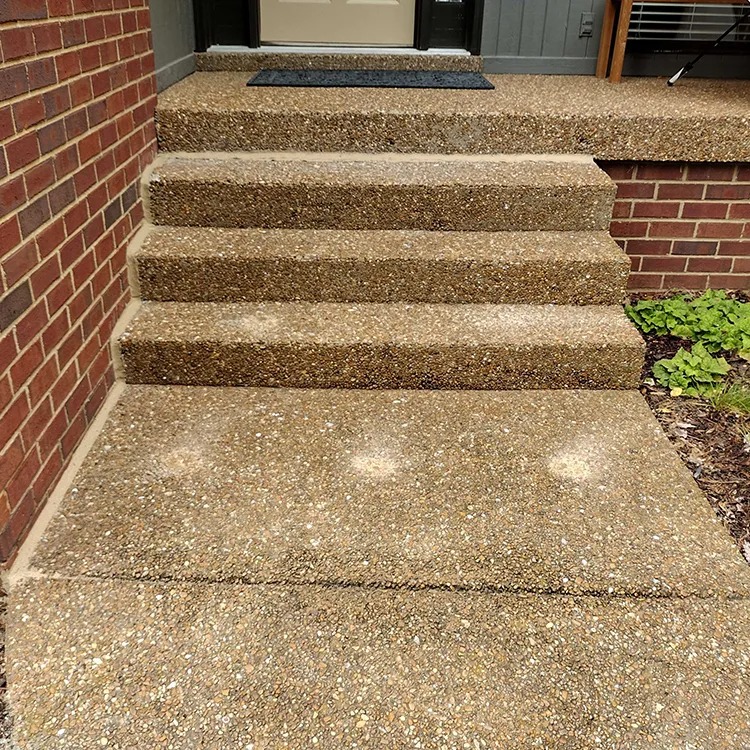
When a front stoop settles, the underlying soil is usually the source of the problem, not the concrete itself. That's why The Foundation Specialists begins every repair with a thorough inspection to identify why the stoop settled, not just how to lift it. By addressing the underlying cause before making repairs, we help deliver a more reliable, long-lasting solution. With the PolyLevel® concrete lifting system, we fill voids beneath the stoop, stabilize the supporting soil and carefully raise the concrete toward its proper position. This brings back a safer, more level entry while helping reduce additional settlement and extending the life of your existing concrete.
  • PolyLevel® Concrete Lifting

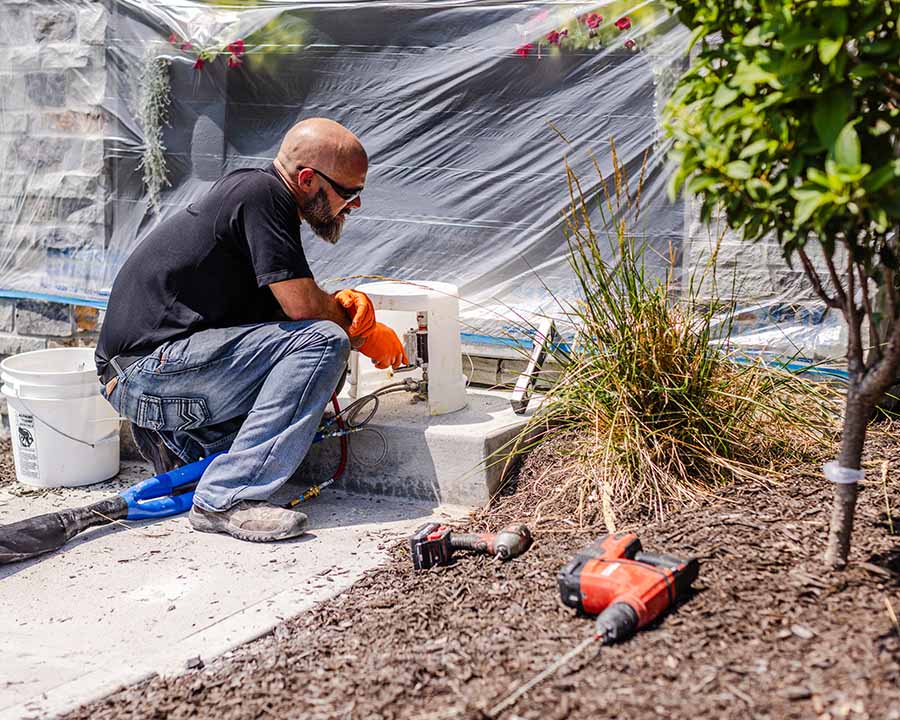
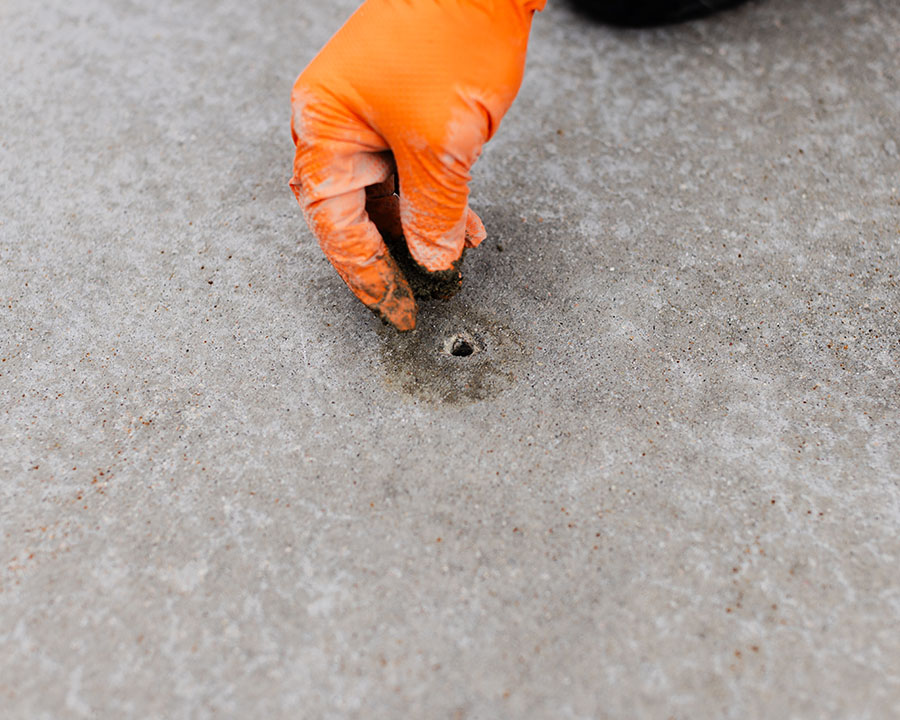
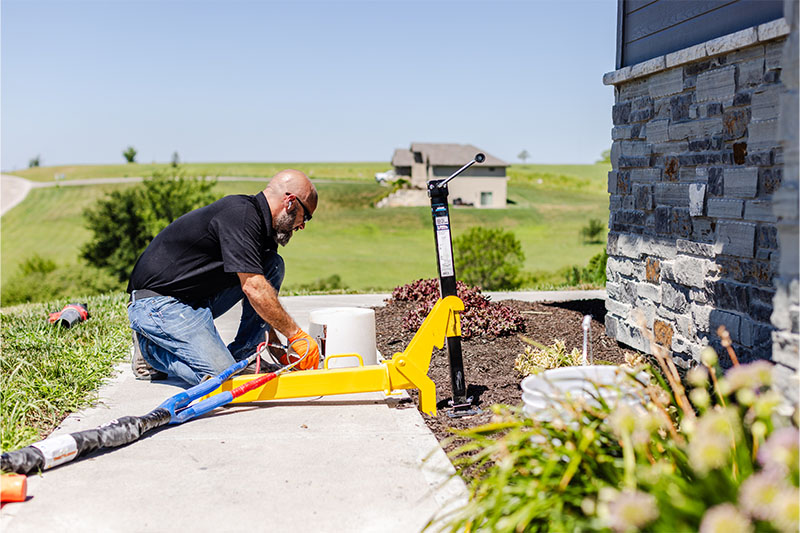
    PolyLevel® is placed through small holes in the concrete, where its lightweight, high-density expanding polyurethane foam fills empty spaces beneath the stoop and reinforces the supporting soil. As it expands, the foam gently lifts the settled concrete with precision, helping restore a safe, stable entrance without the expense and disruption of replacing the entire stoop.

How It Works

The Foundation Specialists's Proven Process for Lifting and Stabilizing Sinking Stoops

Benefits

Why Homeowners Choose The Foundation Specialists

Body Copy Specific to Each Dealer

What To Expect

Ready to get started?

Schedule a free estimate to start your repair journey with The Foundation Specialists.

Schedule your inspection

Fill out our form or give us a call to book your inspection. Share what you’ve noticed so we can send the right expert to your home.

Full home
inspection

An expert will inspect the problem area and surrounding conditions, including soil movement, drainage, structural integrity, and any related concerns.

Clear explanation
of findings

We’ll walk you through what we’re seeing in easy-to-understand language so you know the root cause of the issue, not just the symptoms.

Review recommendations

If repairs are needed, we’ll outline your options, pricing, and timeline so you can make the best decision for your home.

Schedule your free inspection—

It'll only take
a minute

Meet with a trusted expert, and get
clear answers about your home.

"*" indicates required fields

1Your Info
2Schedule Your Inspection
3Review & Submit

Customer Information

Don't just take our word for it

See what our customers have to say about our work.

Before & after photos

Check out before and after photos from some of our completed projects.

Find Your Local TFS Location

Whether you need foundation repair, basement waterproofing, crawl space repair, concrete lifting, or one of our many other services, The Foundation Specialists can help. Our highly experienced team is proud to serve communities throughout Tennessee, Kentucky and Indiana.

Frequently Asked Questions

Does a sinking stoop mean my foundation is settling? 2026-10-05T10:58:18-05:00

Not necessarily, no. A front stoop is frequently built on different soil than your home’s foundation, so it can settle independently. However, both a sinking stoop and foundation settlement can result from shifting or weakening soils. A professional inspection can determine whether the movement is isolated to the stoop or part of a larger structural issue. 

Will my stoop be usable right away? 2026-10-05T10:57:38-05:00

One of the biggest benefits of PolyLevel® is its fast curing time. The polyurethane foam reaches full strength quickly, allowing most repaired stoops to be used within minutes after installation. Your inspector will tell you when it’s safe to resume normal use based on your specific repair. 

How much does sinking stoop repair cost? 2026-10-05T10:57:03-05:00

What it costs to repair a sinking stoop depends on the size of the stoop, how far it has settled and the condition of the supporting soil. In many situations, lifting a stoop with PolyLevel® is considerably more affordable than removing and replacing the concrete. A professional inspection is the best way to determine the right repair solution and provide an accurate estimate. 

How long does concrete lifting last? 2026-10-05T10:56:21-05:00

When it’s installed by trained professionals, PolyLevel® is designed to offer long-lasting support. The high-density polyurethane foam is water resistant and lightweight and it won’t wash away or deteriorate like traditional fill materials. While every property is different, addressing the underlying cause of settlement helps provide a durable, long-term repair. 

Is a sinking stoop dangerous? 2026-10-05T10:43:26-05:00

A sinking stoop can become a safety hazard if left unaddressed. Uneven concrete, sloping surfaces and height differences between the stoop and walkway increase the risk of trips and falls. Settlement can also open gaps where water collects near your home’s entrance, contributing to more soil erosion and letting the problem worsen over time. 

Can a sinking stoop be repaired without replacing it? 2026-10-05T10:42:04-05:00

Yes, in many cases. If the concrete is still structurally sound, polyurethane concrete lifting can raise and stabilize a sinking stoop without removing and replacing it. PolyLevel® fills voids beneath the concrete, strengthens the supporting soil and carefully lifts the stoop toward its original position, providing a faster and less disruptive repair than replacement. 

Why is my front stoop sinking? 2026-10-05T10:41:36-05:00

Most front stoops sink because the soil underneath has settled, washed out or weakened over time. Heavy rainfall, bad drainage, freeze-thaw cycles and soils that expand or shrink can all drive movement beneath the concrete. Even recently built homes can see stoop settlement when the fill soil wasn’t compacted properly during construction. 

Related pages

Service Areas

The Foundation Specialists are located throughout Tennessee, Kentucky and Indiana.

Resources

Access valuable resources to help keep your home healthy and your family safe.

The Thrasher Promise

At The Foundation Specialists, we pride ourselves on providing permanent solutions, and stand behind our work with industry-leading, fully transferable warranties and guarantees.

Schedule your free inspection today

Don’t let unanswered questions about your
home worry you any longer.
Go to Top