Basement Flooding2026-11-06T14:36:01-06:00

Flooded Basements in Nashville: What Causes It & How to Solve It

Coming home to a wet basement can be alarming, especially when you don't know where it's coming from or whether it will happen again. Basement flooding is fixable. See what causes flooding in Nashville, what to do now and which permanent fixes can help keep water out for good.

Symptoms

Why Is My Basement Flooding?

Basements flood when water accumulates around or beneath the foundation and finds an entry point. Heavy rainfall, poor exterior drainage, foundation cracks, sump pump issues and burst pipes and plumbing leaks are frequent culprits. Pinpointing where the water is coming from is the first step toward keeping your basement dry long term.

Causes

Common Causes of Basement Flooding

Flooding in the basement often happens during and after heavy rainfall, when water accumulates around the foundation or the water table rises beneath it. But rain isn't the only culprit. Inadequate drainage, foundation cracks and sump pump issues can all result in basement flooding. Where and when the flooding occurs can help pinpoint the source and the right repair.

  • Poor Exterior Drainage

    Blocked gutters, undersized downspouts, improper grading and low spots next to the foundation can cause large amounts of rainwater to pool around your home.

    When rainwater collects near the foundation, the surrounding soil can become saturated. As more water collects, hydrostatic pressure increases and water can make its way through cracks, joints, windows or other entry points. Flooding that reliably follows heavy rain can be a sign that drainage around the home is part of the problem.

  • Hydrostatic Pressure & High Groundwater

    Heavy rainfall can soak the soil around your home and cause groundwater levels to climb beneath the foundation, increasing the risk of basement flooding.

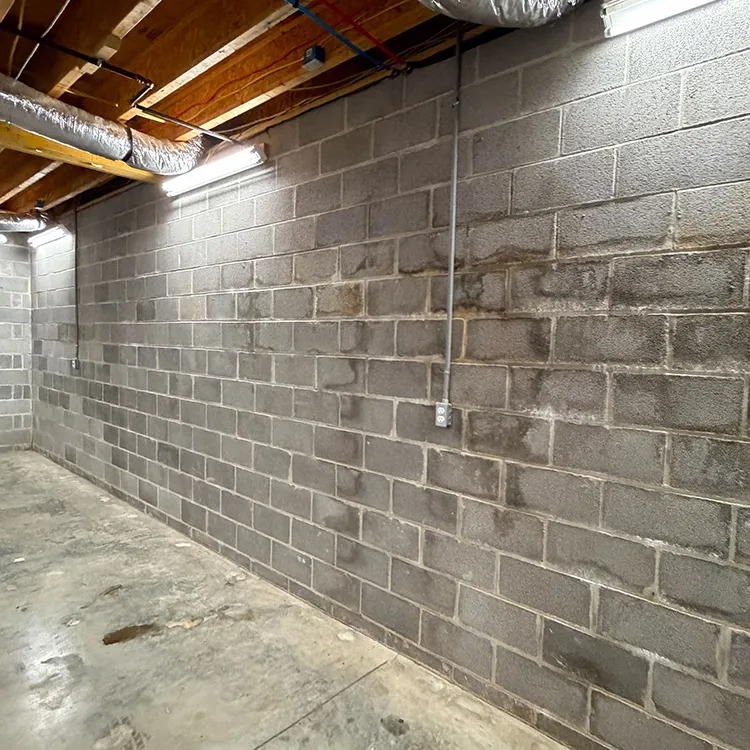
    As the ground becomes fully soaked, water puts pressure against and beneath your foundation. This built-up pressure can force water through cracks in the floor, openings in the foundation, or the joint where the wall meets the floor. You may observe water seepage around the basement perimeter, water entering through cracks, or standing water after heavy rain.

  • Foundation & Floor Cracks

    Water entering through a basement wall or floor crack may present as active seepage, dampness, water staining, or white, chalky efflorescence around the opening.

    Concrete can develop cracks from curing and shrinkage, foundation settlement, lateral soil pressure, or structural movement. The crack itself may not cause flooding, but it can create an opening for water to come through when pressure increases around or beneath the foundation. During periods of heavy rain, even a previously dry crack may begin leaking.

  • Water Seepage at the Wall-Floor Joint

    Water appearing around the edges of your basement floor or creeping inward from the walls can be a sign of seepage at the wall-floor joint.

    The cove joint is where the basement wall connects to the floor, and it can turn into an entry point when the water table rises beneath the foundation. As hydrostatic pressure builds, water can be pushed through this joint. During storms or times of high groundwater, the resulting water intrusion can create pooling or pooled water across the basement floor.

  • Sump Pump Problems

    A sump pump that runs nonstop, falls behind, or quits entirely can let the sump pit to back up and water to move across the basement floor.

    Sump pumps work their hardest when groundwater rises, often during heavy rain. Power outages, component failures, clogged components, blocked discharge lines, or more water than the pump can handle can leave your basement vulnerable when you need it most. Homes without a sump pump may also have no reliable way to move groundwater out as it collects.

  • Basement Window & Window Well Leaks

    Water collecting in a window well, stains below basement windows or wet spots on the floor after a storm can indicate that water is getting in through or around the window.

    Window wells can fill up when the drain is clogged or water arrives faster than it can drain. As the water level builds, it can push against the basement window and work in around the frame or come through the window itself.

Why You Shouldn't Ignore Basement Flooding

  • Stage 1

    Occasional Water Intrusion

    You may initially notice a minor puddle or water seeping in during the heaviest storms. Once conditions dry up, the problem can appear resolved, but the opening that let water in is still there.

  • Stage 2

    Recurring Basement Flooding

    As drainage problems get worse or water keeps finding the same openings, flooding may become more regular. Flooring, drywall, insulation, furniture, personal items and other materials may repeatedly get wet.

  • Stage 3

    Widespread Water Damage

    Repeated or major flooding can destroy basement finishes and leave behind consistently damp conditions that promote mold growth and wood rot. Restoration costs can keep rising while the actual cause remains unresolved.

  • Stage 4

    The Next Major Storm

    A basement that has flooded once can flood again if the underlying cause hasn’t been resolved. Rather than relying on cleanup after every storm, professional waterproofing is designed to handle the water before another storm event occurs.

The Foundation Specialists' Basement Flooding Solutions & Permanent Fixes

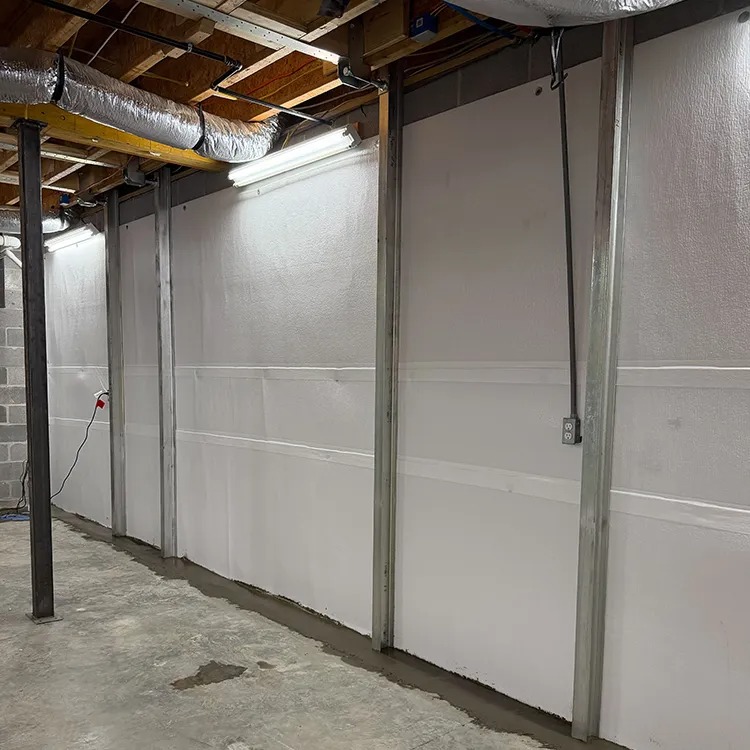
The right basement waterproofing solution depends on where the water is coming from and how it gets into your basement. Cleaning up a flooded basement takes care of the visible water, but it doesn't address how the water got in. After identifying the cause, The Foundation Specialists can recommend a permanent waterproofing solution designed to help keep flooding from happening again.


How to Prevent Basement Flooding:

Basement Flooding Prevention Tips

Benefits

Why Homeowners Trust The Foundation Specialists  

Body Copy Specific to Each Dealer

What To Expect

Ready to get started?

Schedule a free estimate to start your repair journey with The Foundation Specialists.

Schedule your inspection

Fill out our form or give us a call to book your inspection. Share what you’ve noticed so we can send the right expert to your home.

Full home
inspection

An expert will inspect the problem area and surrounding conditions, including soil movement, drainage, structural integrity, and any related concerns.

Clear explanation
of findings

We’ll walk you through what we’re seeing in easy-to-understand language so you know the root cause of the issue, not just the symptoms.

Review recommendations

If repairs are needed, we’ll outline your options, pricing, and timeline so you can make the best decision for your home.

Schedule your free inspection—

It'll only take
a minute

Meet with a trusted expert, and get
clear answers about your home.

"*" indicates required fields

1Your Info
2Schedule Your Inspection
3Review & Submit

Customer Information

Don't just take our word for it

See what our customers have to say about our work.

Before & after photos

Check out before and after photos from some of our completed projects.

Find Your Local TFS Location

Whether you need foundation repair, basement waterproofing, crawl space repair, concrete lifting, or one of our many other services, The Foundation Specialists can help. Our highly experienced team is proud to serve communities throughout Tennessee, Kentucky and Indiana.

Frequently Asked Questions

Is a French drain the same as an interior basement drainage system? 2026-10-08T10:37:03-05:00

Not really. A French drain is a broad category of drainage system, while an interior basement drainage system is engineered specifically to capture water entering around or beneath the foundation and direct it to a sump pump. Both handle water, but interior drainage is designed specifically to help prevent basement flooding. 

What should I do if my basement is flooding right now? 2026-10-08T10:36:38-05:00

If your basement is flooding, make safety the priority. Avoid standing water if electrical outlets, appliances or the electrical panel may be submerged. Once it’s safe, stop any active plumbing source, document the damage, and schedule water removal if needed. After cleanup, have ongoing rain or groundwater intrusion professionally inspected to help prevent another flood. 

Can basement flooding be prevented from happening again? 2026-10-08T10:36:12-05:00

In most cases, yes. The right solution depends on how water is making its way in. Interior drainage, sump pumps with battery backup, foundation crack repair and other waterproofing solutions can work together to control water and help prevent recurring flooding. A professional evaluation is the best way to determine what your home requires. 

Who should I call when my basement floods? 2026-10-08T10:35:47-05:00

Who to call depends on where the water is entering. For a failed pipe, contact a plumber. Significant standing or contaminated water may require a professional cleanup company. If your basement floods because of rain, groundwater, foundation seepage or sump pump problems, contact a basement waterproofing professional like The Foundation Specialists for an inspection. 

How much does it cost to fix a flooded basement? 2026-10-08T10:35:19-05:00

The cost to solve basement flooding depends on what’s driving the flooding and the solution needed to prevent it from returning. A leaking crack may need a different repair than a basement that needs an interior drainage and sump pump system. The Foundation Specialists offers free assessments to pinpoint the cause and provide solution recommendations and pricing. 

Will a sump pump stop my basement from flooding? 2026-10-08T10:34:49-05:00

A well-maintained sump pump can help prevent basement flooding by clearing groundwater collected by the drainage system and discharging it away from your home. However, a sump pump is most effective as part of a full waterproofing system. The right configuration depends on where the water is coming from and how much needs to be managed. 

Why does my basement flood after heavy rain? 2026-10-08T10:34:21-05:00

Prolonged rain can saturate the soil around your home and raise the water table, increasing pressure against and beneath the foundation. Water may then get in through cracks, the wall-floor joint, basement windows or other gaps. Inadequate exterior drainage or an overwhelmed sump pump can compound the problem. 

Does homeowners insurance cover basement flooding? 2026-10-08T10:33:50-05:00

Homeowners insurance may cover certain types of basement water damage, but coverage depends on what caused the flooding and your policy. Sudden plumbing failures may be covered, while groundwater or storm flooding may call for a separate policy or rider. Contact your insurance provider to find out what your specific policy covers. 

Related pages

Service Areas

The Foundation Specialists are located throughout Tennessee, Kentucky and Indiana.

Resources

Access valuable resources to help keep your home healthy and your family safe.

The Thrasher Promise

At The Foundation Specialists, we pride ourselves on providing permanent solutions, and stand behind our work with industry-leading, fully transferable warranties and guarantees.

Schedule your free inspection today

Don’t let unanswered questions about your
home worry you any longer.
Go to Top