Wet Basement2026-11-06T14:40:54-06:00

Wet Basement Repair and Waterproofing in Nashville

Standing water, damp walls or a musty smell can all be signs of a wet basement, but the problem is fixable. The Foundation Specialists determines where the water is coming from and installs a lasting basement waterproofing solution designed to keep your basement dry. Our warranty-backed solutions provide added protection and peace of mind.

Symptoms

Signs of a Wet Basement

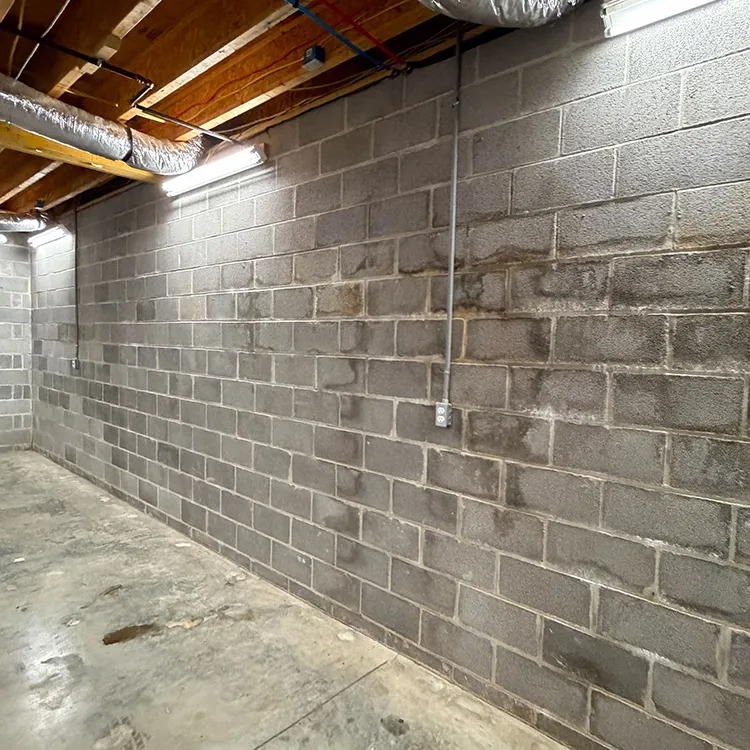
A wet basement rarely starts with standing water. Subtle signs of moisture can appear long before a major leak or flood, and noticing them early can help prevent water damage from escalating. Look for these common signs that your basement may have a moisture problem.

Causes

What Causes a Wet Basement

Wet basements are frequently caused by groundwater, poor exterior drainage, foundation openings or excess indoor humidity. Each can produce different signs of moisture and water intrusion. Pinpointing what's causing the problem and how water is getting inside is the first step toward choosing the right solution.

  • Hydrostatic Pressure / Groundwater

    Water rising through the basement floor, dampness near the bottom of walls or recurring puddles after heavy rain can indicate groundwater pressure. Moisture may also be visible along floor cracks or around the basement perimeter.

    When soil around and beneath the foundation becomes saturated, groundwater creates hydrostatic pressure against basement walls and floors. That pressure can drive water through cracks, joints and other openings, especially during periods of heavy rain or high groundwater.

  • Poor Exterior Drainage

    Water in the basement after heavy rain may be tied to drainage outside your home. Gutters that overflow, undersized downspouts, low spots or soil sloping toward the foundation can all be indicators that too much water is gathering near the house.

    Gutters, downspouts and proper grading help direct rainwater away from the foundation. When they don’t, the surrounding soil can become oversaturated. This builds water pressure against basement walls and creates more opportunity for moisture to work its way inside.

  • Foundation & Floor Cracks

    Cracks in basement walls or floors can become obvious sources of water during or after heavy rain. Watch for dampness, staining, active leaking or white, chalky efflorescence appearing around the crack.

    Concrete can crack as a home settles, materials shrink or pressure builds around the foundation. When groundwater makes contact with these openings, the cracks can open a direct route into the basement and give moisture a way in.

  • Water Seepage at the Wall-Floor Joint

    Groundwater can enter through the joint where the basement wall meets the floor, leading to dampness or puddles around the perimeter of the basement, especially after heavy rain.

    This seam is referred to as the cove joint. When groundwater pressure builds around or beneath the foundation, water can be pushed through this joint and make its way into the basement.

  • Window Well Overflow

    Water stains below a basement window, puddles beneath it or water standing in the window well can point to a drainage problem. During heavy rain, you may even see water building against the window or seeping around the frame.

    Window wells can fill when drainage falls short, debris blocks the drain, or too much surface runoff reaches the well. As water collects against the basement window, it can seep around the frame or through other openings and get into the basement.

  • Condensation & Humidity

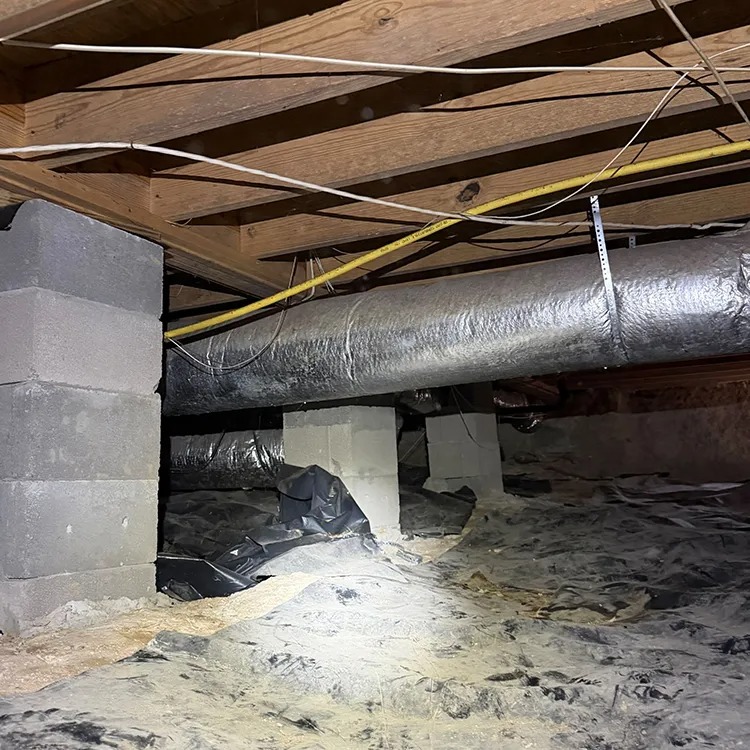
    A basement that feels damp without an obvious leak may have excess humidity. Common signs include condensation on pipes, walls or windows, muggy air, damp belongings and moisture collecting on cool basement surfaces.

    Warm, humid air can produce condensation when it meets cooler basement walls, floors, pipes and other surfaces. Inadequate ventilation and naturally cooler basement temperatures can let this excess moisture linger and keep the space feeling damp.

Why You Shouldn't Ignore a Wet Basement

  • Stage 1

    Early Signs of Moisture

    You may first see a musty smell, damp walls, efflorescence or minor puddles after heavy rain. These signs can look harmless, but they often indicate that moisture is already working its way into the basement.
  • Stage 2

    Recurring Water Problems

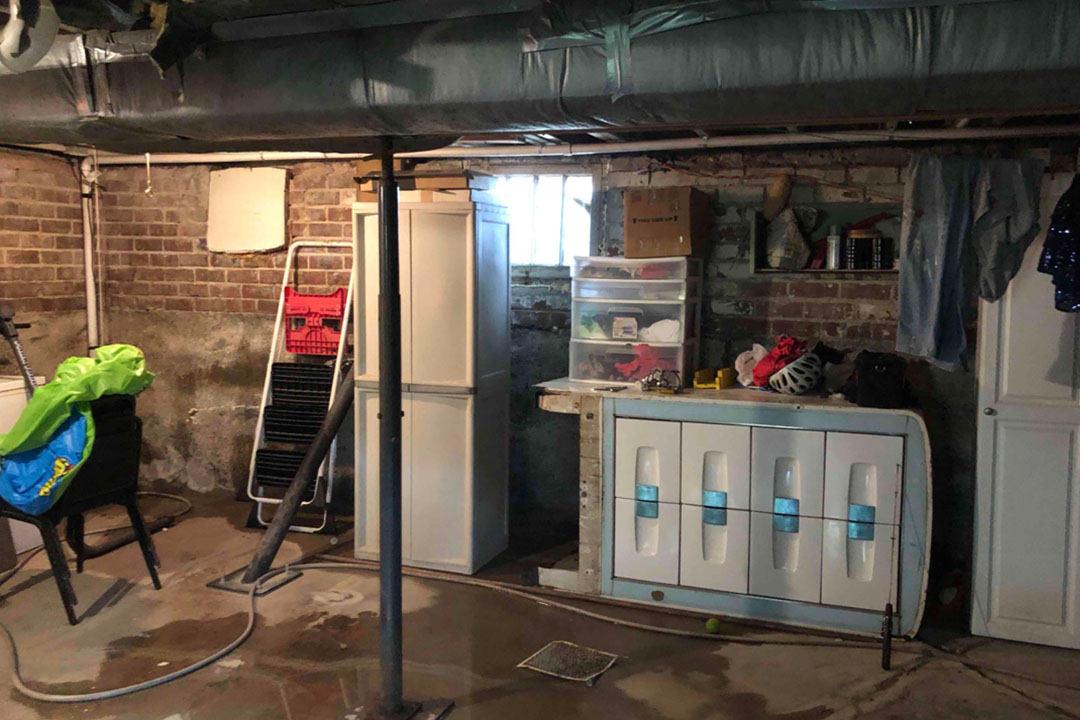
    As moisture continues, damp areas may show up more often and standing water can appear after storms. Finishes, stored belongings and wood materials may start absorbing moisture, while humidity and musty odors grow harder to manage.

  • Stage 3

    Widespread Moisture Damage

    Continued water intrusion can cause damaged drywall, flooring, insulation or wood, along with conditions that support mold growth. At this stage, getting the basement back may require both waterproofing and repairs to water-damaged materials.

Our Wet Basement Solutions

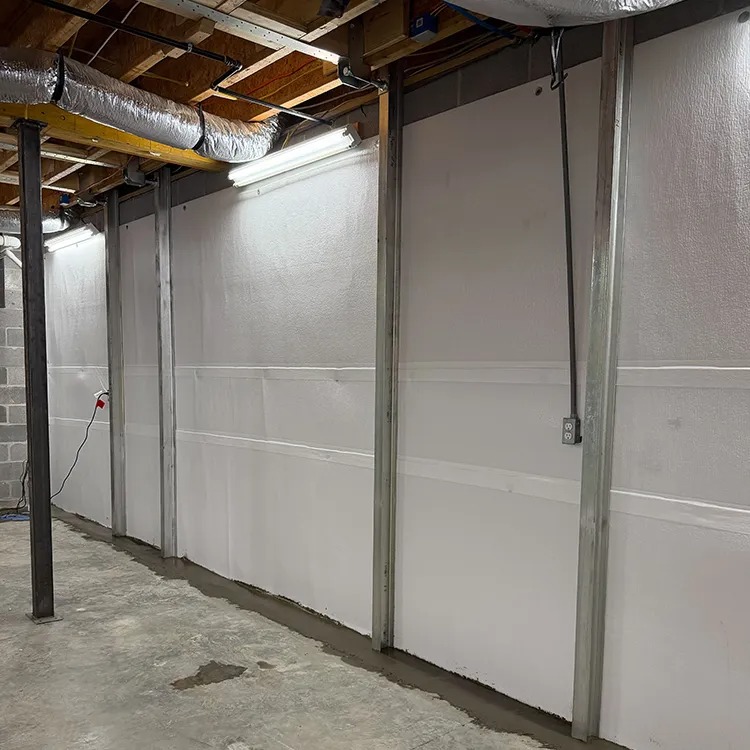
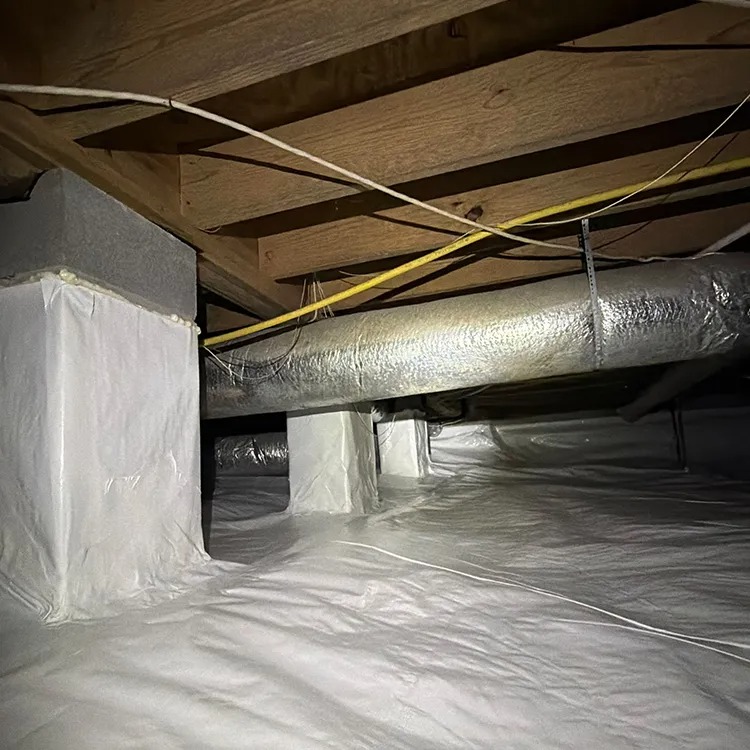
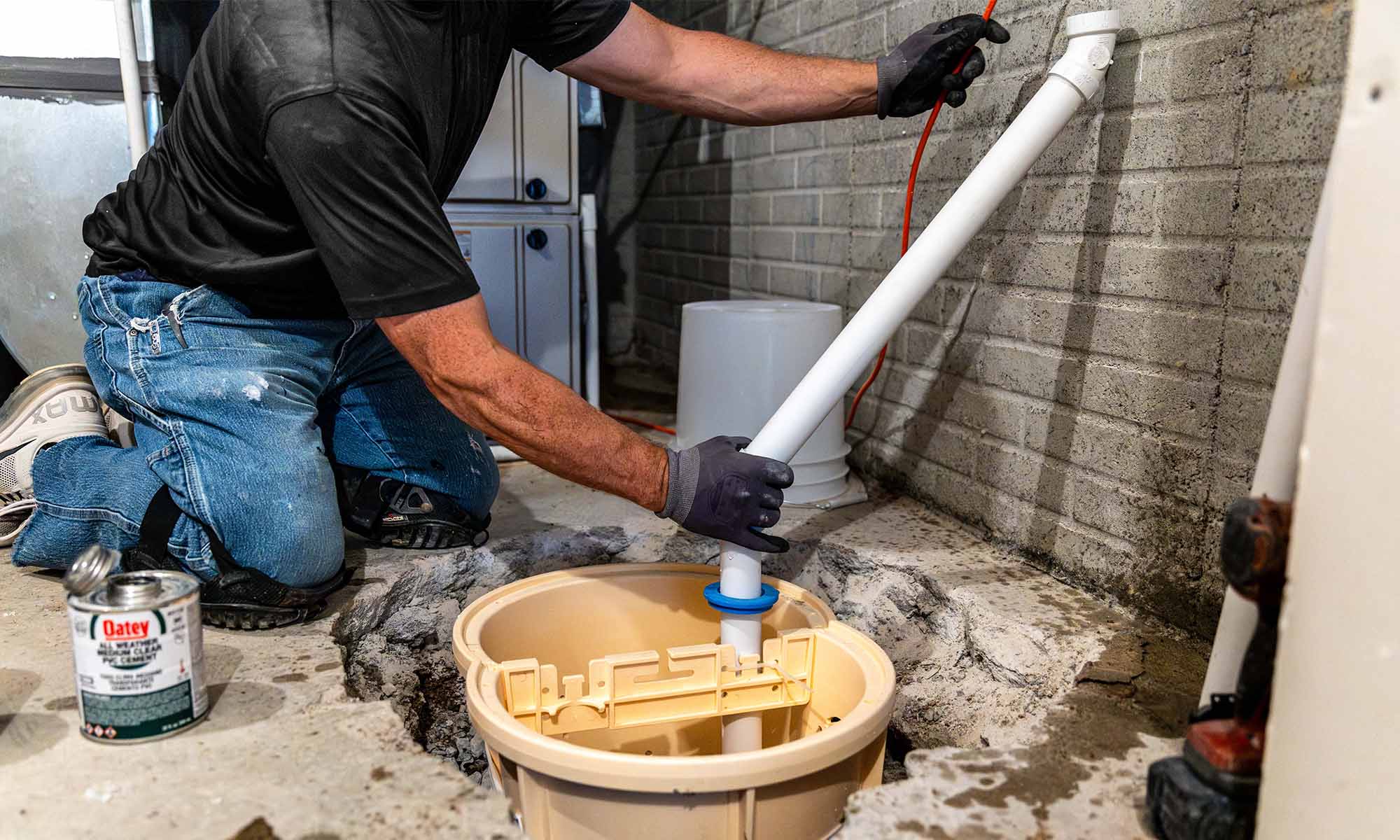
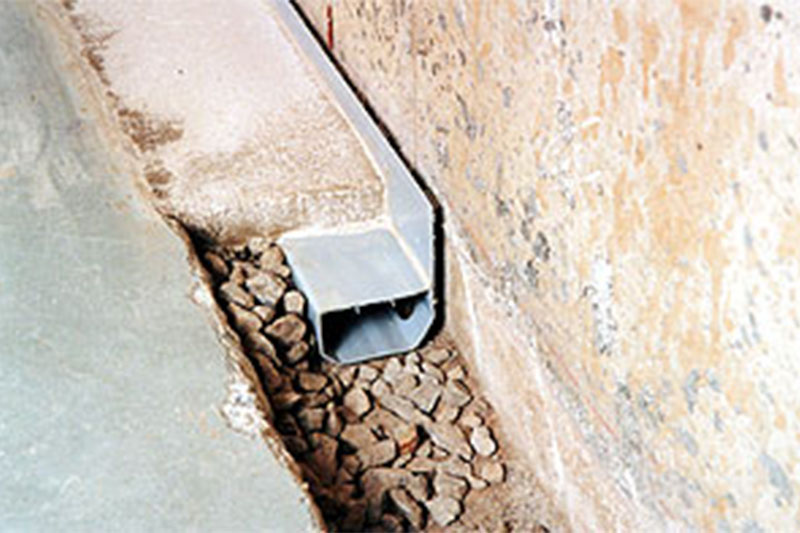
The right wet-basement solution depends on where the water is originating and how it's entering the basement. The Foundation Specialists offers basement waterproofing solutions designed to collect and discharge incoming water, repair common entry points and control excess moisture, helping keep your basement dry and comfortable long term.
How to Keep Your Basement Dry

Wet Basement Prevention Tips

Benefits

Why Homeowners Trust The Foundation Specialists  

Body Copy Specific to Each Dealer

What To Expect

Ready to get started?

Schedule a free estimate to start your repair journey with The Foundation Specialists.

Schedule your inspection

Fill out our form or give us a call to book your inspection. Share what you’ve noticed so we can send the right expert to your home.

Full home
inspection

An expert will inspect the problem area and surrounding conditions, including soil movement, drainage, structural integrity, and any related concerns.

Clear explanation
of findings

We’ll walk you through what we’re seeing in easy-to-understand language so you know the root cause of the issue, not just the symptoms.

Review recommendations

If repairs are needed, we’ll outline your options, pricing, and timeline so you can make the best decision for your home.

Schedule your free inspection—

It'll only take
a minute

Meet with a trusted expert, and get
clear answers about your home.
"*" indicates required fields

1Your Info
2Schedule Your Inspection
3Review & Submit

Customer Information

Don't just take our word for it

See what our customers have to say about our work.

Before & after photos

Check out before and after photos from some of our completed projects.

Find Your Local TFS Location

Whether you need foundation repair, basement waterproofing, crawl space repair, concrete lifting, or one of our many other services, The Foundation Specialists can help. Our highly experienced team is proud to serve communities throughout Tennessee, Kentucky and Indiana.

Frequently Asked Questions

Do The Foundation Specialists offer a warranty on wet basement repairs? 2026-10-13T17:29:43-05:00

The Foundation Specialists offers warranty-backed wet basement solutions. Coverage depends on the products and services installed, and your basement waterproofing specialist will explain the applicable warranty and terms as part of your customized repair plan. 

Will waterproofing my basement stop the musty smell and mold? 2026-10-16T07:52:35-05:00

Basement waterproofing can address the moisture conditions that encourage musty odors and mold growth, but it does not remove existing mold. A waterproofing system combined with proper humidity control can help maintain a drier basement. Existing mold or water-damaged materials may need separate remediation. 

How long does wet basement repair take? 2026-10-06T15:44:56-05:00

The timeline depends on the cause of the water and the repairs needed. A targeted crack repair may take less time than installing a complete interior drainage and sump pump system. After inspecting your basement, The Foundation Specialists can review the recommended work and the expected installation timeline. 

Who should I call for a wet basement? 2026-10-06T15:44:33-05:00

If the water is entering through basement walls, floors, cracks or the wall-floor joint, call a basement waterproofing contractor. Plumbing leaks should be handled by a plumber, while roof leaks may require a roofing contractor. The Foundation Specialists can inspect your basement to determine whether groundwater or foundation-related water intrusion is the problem. 

How do I dry out a wet basement? 2026-10-06T15:43:59-05:00

Start by pulling out standing water and wet belongings, then use fans and a dehumidifier to help pull out remaining moisture. The source of the water also needs to be corrected or the problem is likely to return. Repeat seepage, foundation leaks or flooding should be professionally evaluated before damaged areas are rebuilt or refinished. 

Can I fix a wet basement myself, or do I need a professional? 2026-10-06T15:43:39-05:00

Some moisture problems can be lessened by cleaning gutters, extending downspouts, fixing plumbing leaks or controlling humidity. Ongoing groundwater seepage, leaking foundation cracks, standing water or basement flooding generally requires a professional evaluation to determine the source and recommend a lasting solution. 

How much does it cost to fix a wet basement? 2026-10-06T15:43:18-05:00

The cost to fix a wet basement depends on where the water is coming from and the solution needed. Factors can include the size of the basement, severity of water intrusion, drainage requirements, sump pump equipment, crack repairs and humidity control. A professional inspection can pinpoint the source and provide accurate pricing for your home. 

How do I know if it’s condensation or a real leak? 2026-10-06T15:42:51-05:00

Condensation generally appears as moisture on cool surfaces such as pipes, walls or windows and may increase during humid weather. A leak is more likely to produce localized staining, dripping, puddles or recurring water after rain. A professional inspection can pinpoint the source when it isn’t clear. 

Is a wet basement dangerous to my health? 2026-10-06T15:42:27-05:00

A consistently wet basement can create conditions that support mold and mildew growth and add to poor indoor air quality. Moisture can also damage wood, drywall, insulation, flooring and stored belongings. Locating and addressing the source helps protect both the basement and the rest of your home. 

Why is my basement wet even when it hasn’t rained? 2026-10-06T15:42:00-05:00

A basement can be wet without recent rain because moisture isn’t always the result of surface runoff. Groundwater, plumbing leaks, condensation, high humidity or previously saturated soil can all cause damp walls or floors. Where and when the moisture appears can help pinpoint the source. 

Related pages

Service Areas

The Foundation Specialists are located throughout Tennessee, Kentucky and Indiana.

Resources

Access valuable resources to help keep your home healthy and your family safe.

The Thrasher Promise

At The Foundation Specialists, we pride ourselves on providing permanent solutions, and stand behind our work with industry-leading, fully transferable warranties and guarantees.

Schedule your free inspection today

Don’t let unanswered questions about your
home worry you any longer.
Go to Top