Symptoms
Signs Your Driveway is Sinking
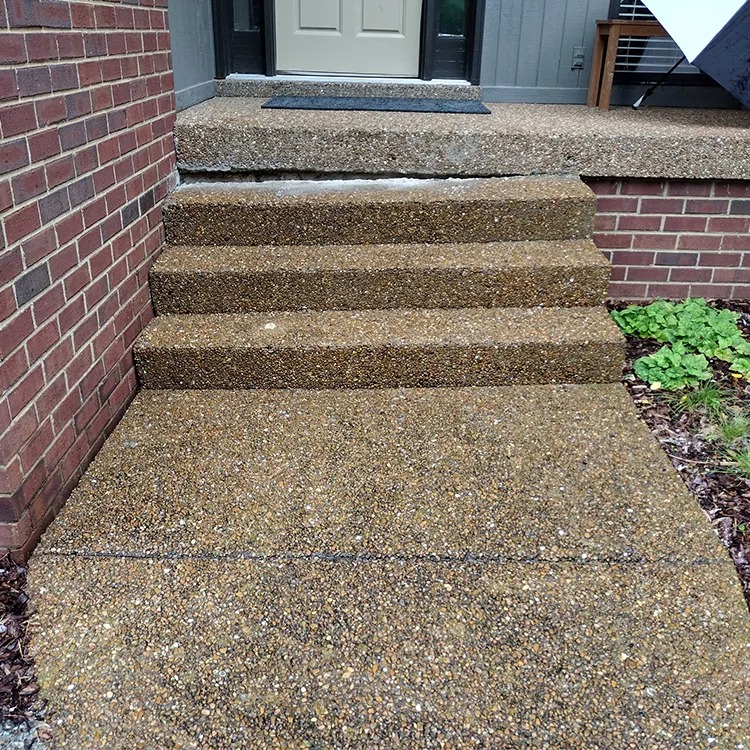
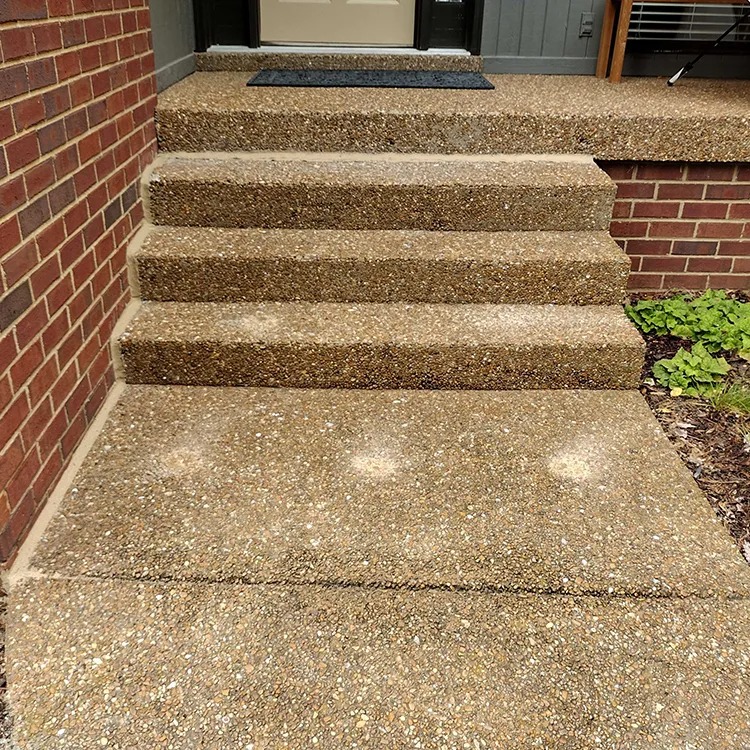
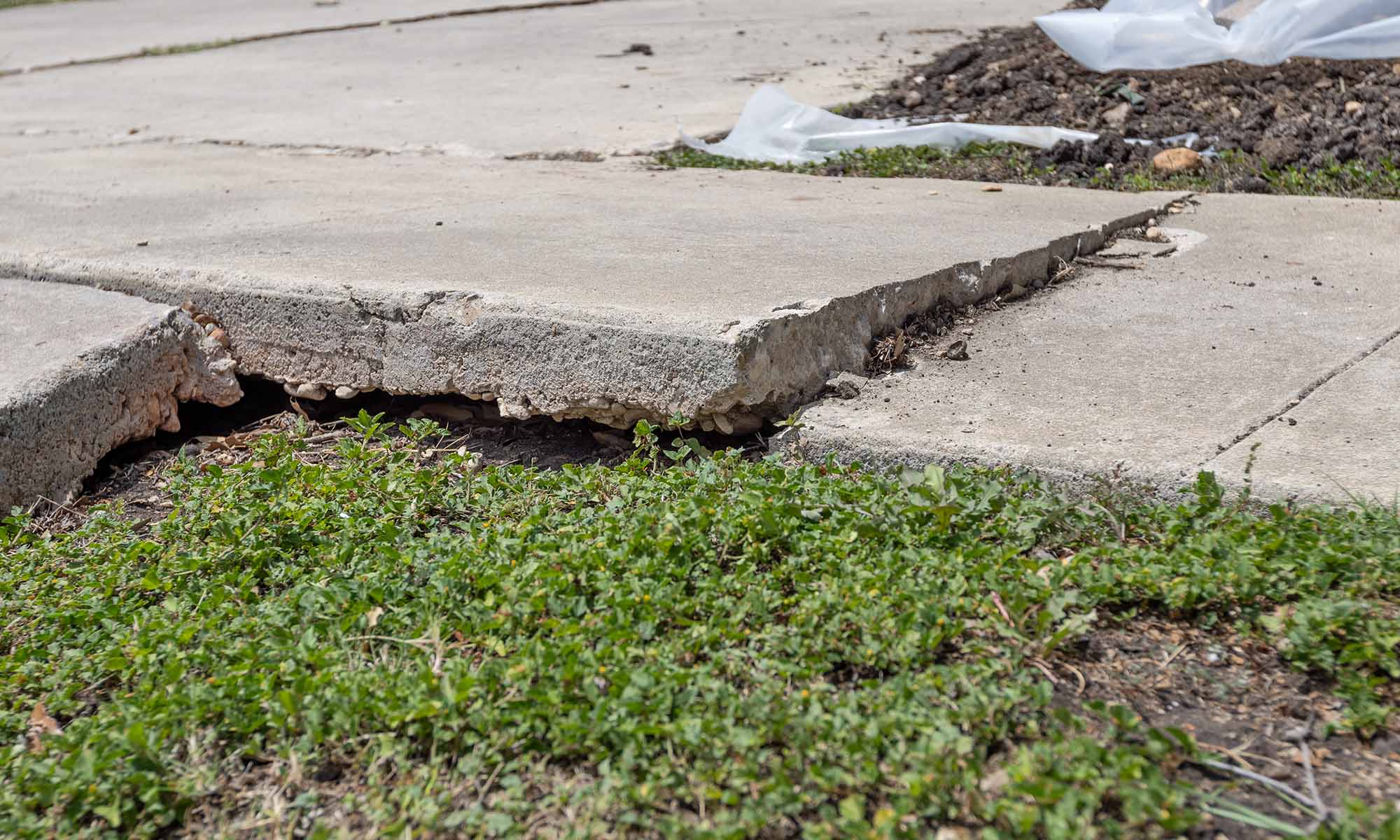
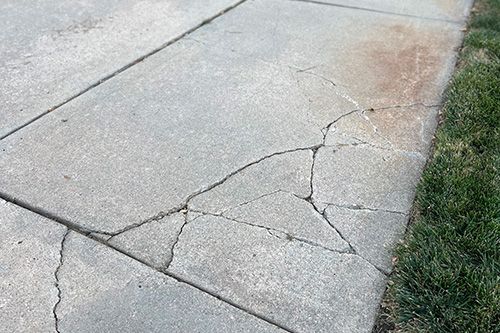
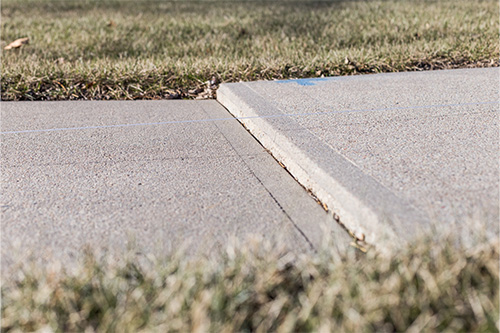
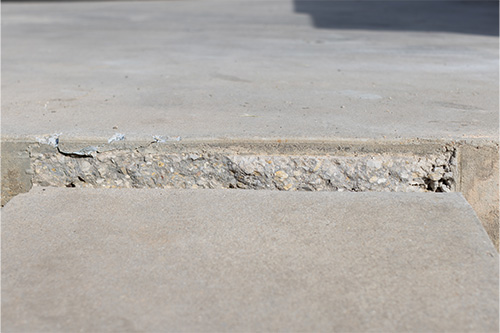
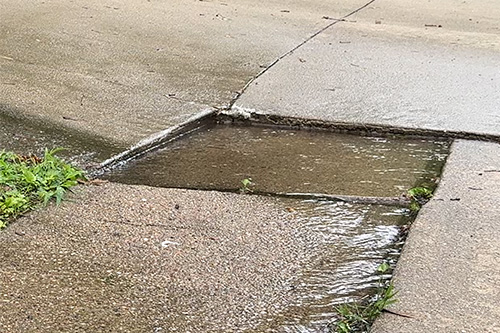
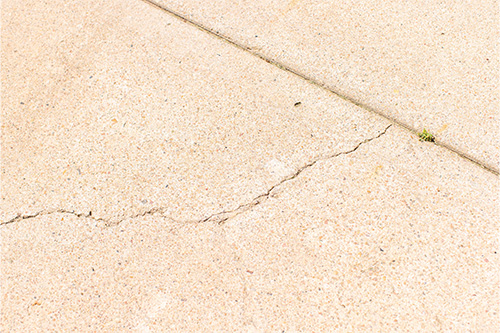
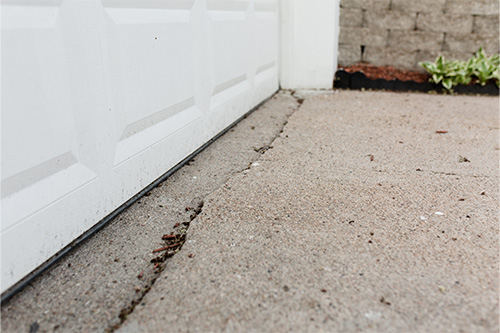
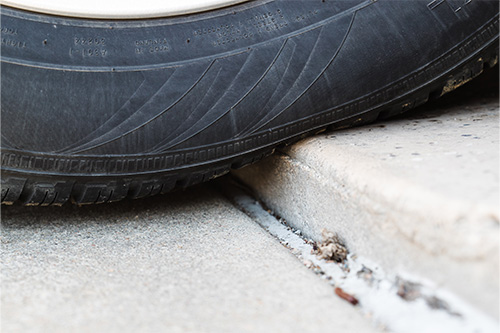
A sinking driveway may start as a minor height difference between slabs, but the settlement keeps going as the soil under the concrete loses support. Watch for the following signs, especially around the garage, sidewalk or street. A professional inspection can identify why the concrete is moving and whether concrete lifting and driveway leveling can restore the surface and prevent additional damage.

Causes
What Makes a Driveway Sink
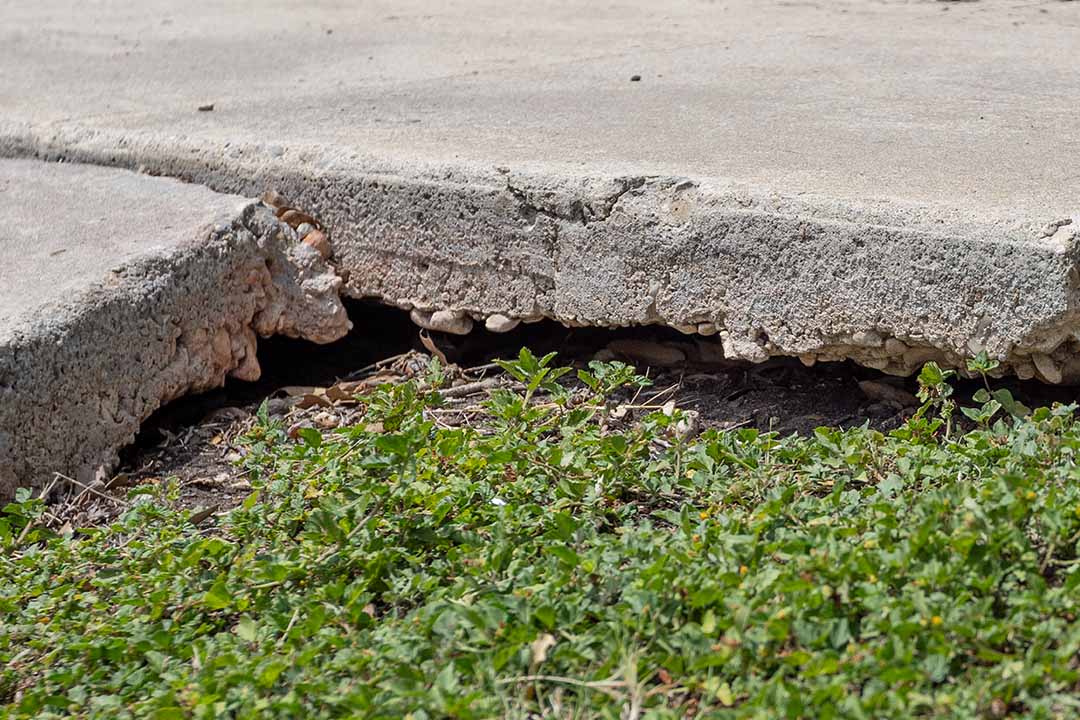
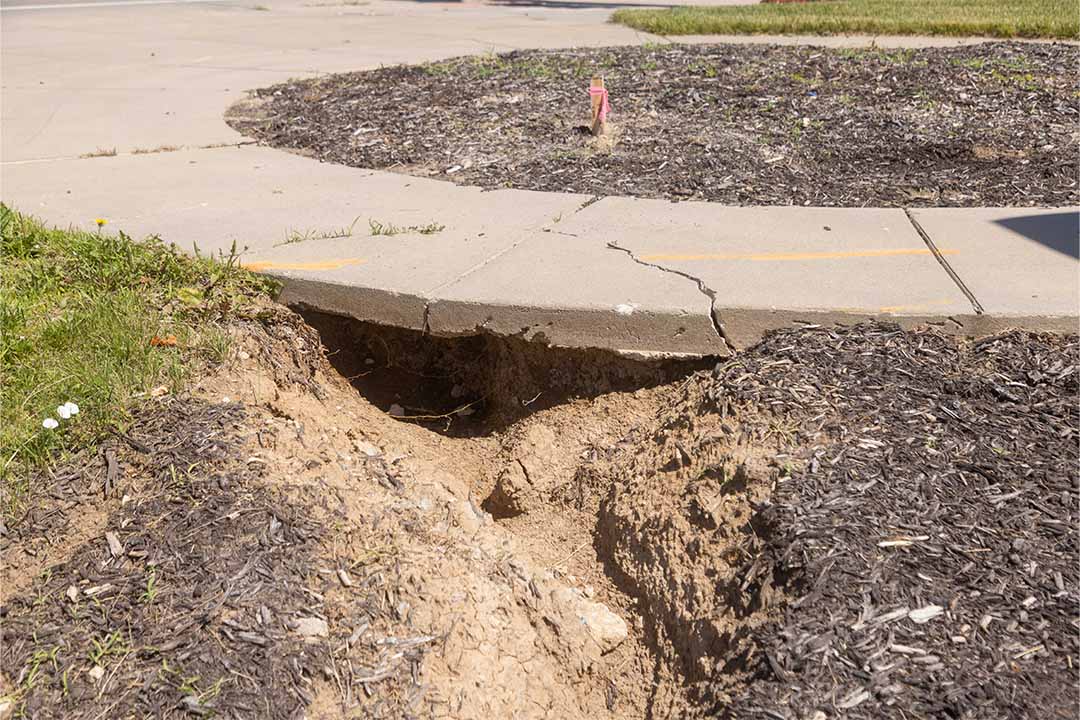
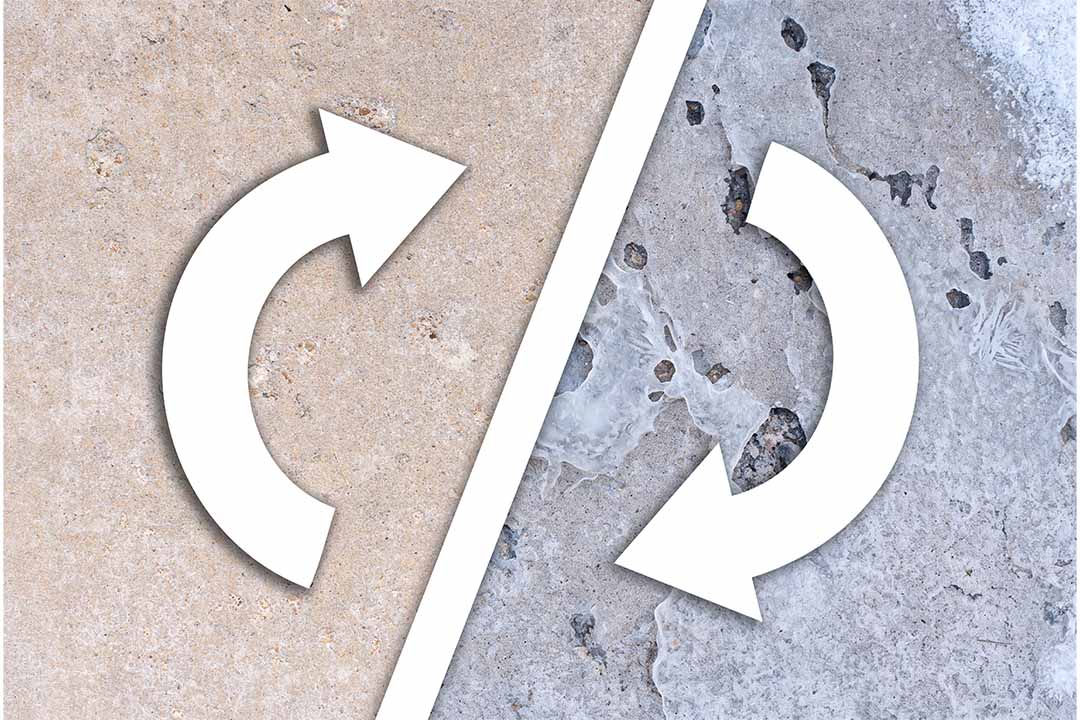
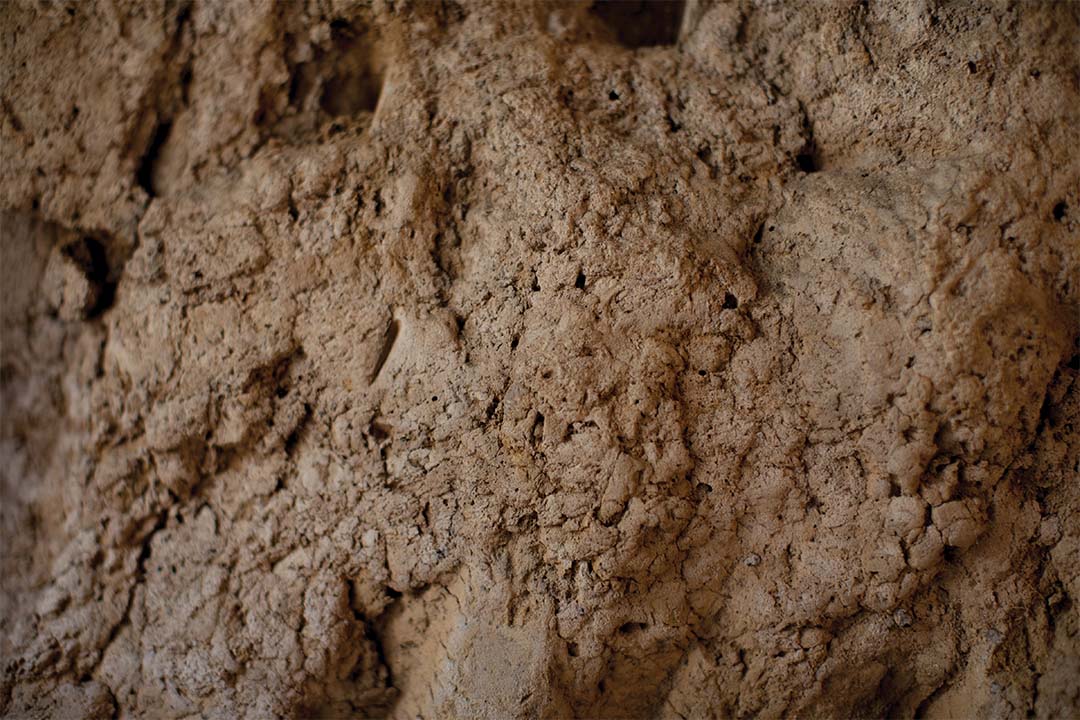
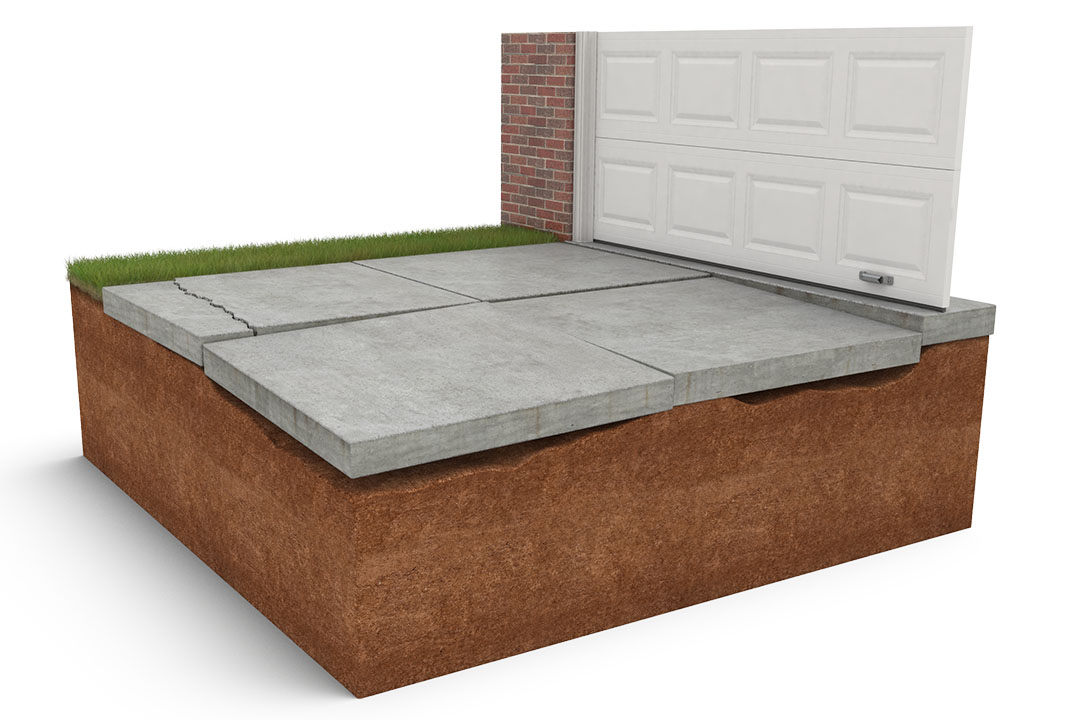
A driveway slab is only as stable as the well-compacted soil beneath it. When that support settles, erodes or shifts, voids can form under the concrete, allowing sections of the driveway to sink. A number of factors may contribute to settlement, but the concrete itself is rarely the problem, while the supporting soil is. Pinpointing why the support was lost is a critical first step in recommending the right concrete driveway repair.

Why Ignoring a Sinking Driveway Costs You
Stage 1
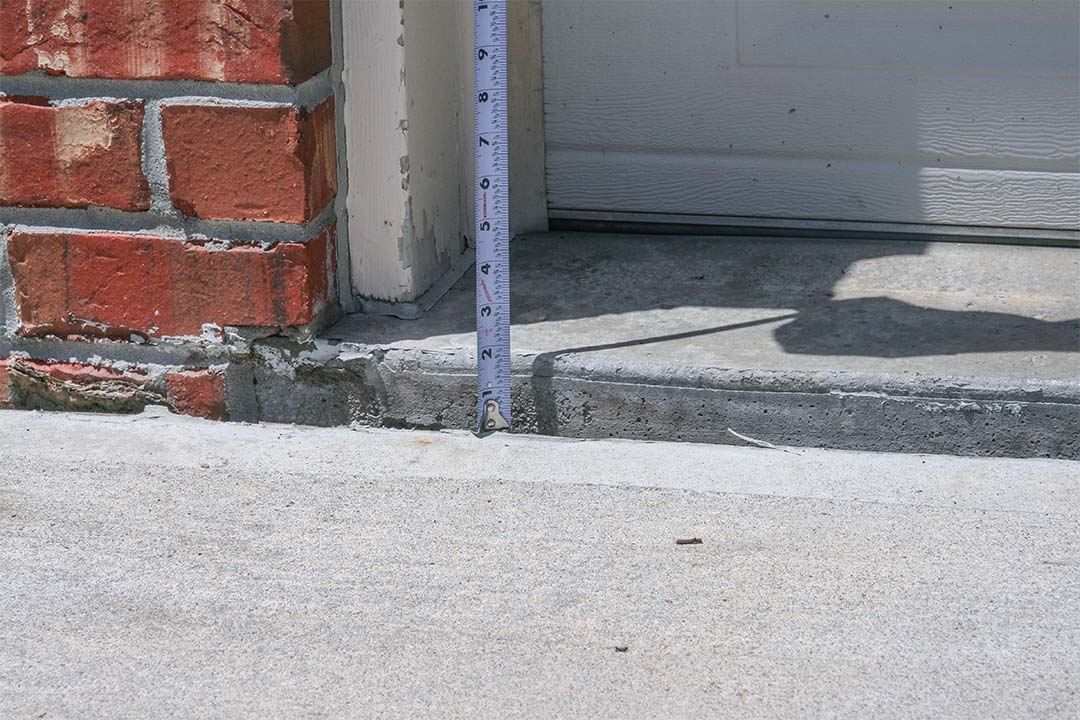
Small Height Differences
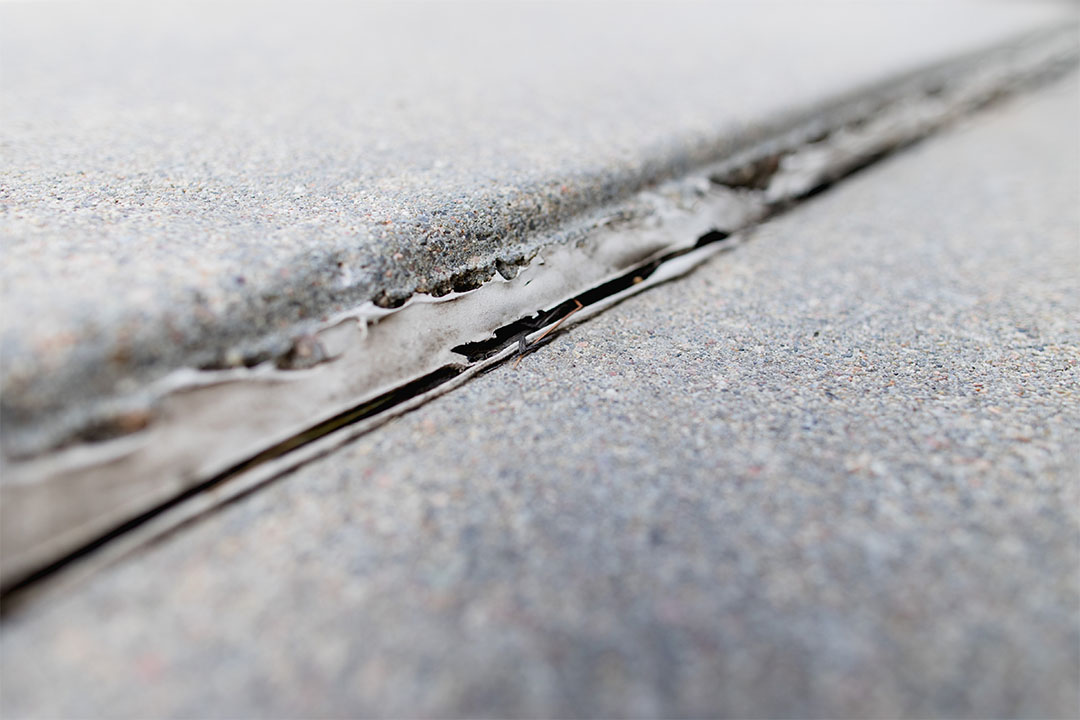
The driveway typically starts with a small dip or uneven transition between slabs. At this stage, homeowners usually spot water pooling, rough vehicle transitions or a minor trip hazard.
Stage 2
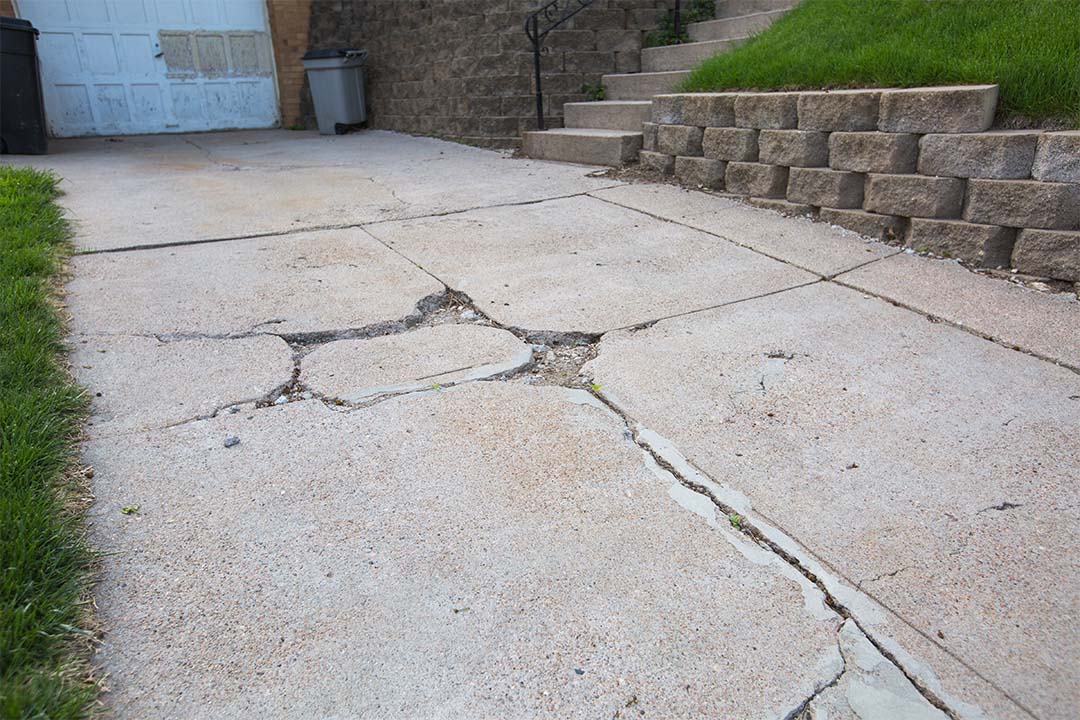
Continued Settlement
As the supporting soil continues to settle or wash away, the height difference increases. Cracks may grow, water intrusion can increase, and the driveway becomes more difficult to shovel, drive over or walk on safely.
Stage 3
Extensive Damage Sets In
Without repair, settlement can continue until sections of concrete crack, break apart or become too damaged to lift successfully. At that point, replacement may be necessary, resulting in a more expensive and disruptive repair.
The Foundation Specialists's Solution for a Sinking Driveway
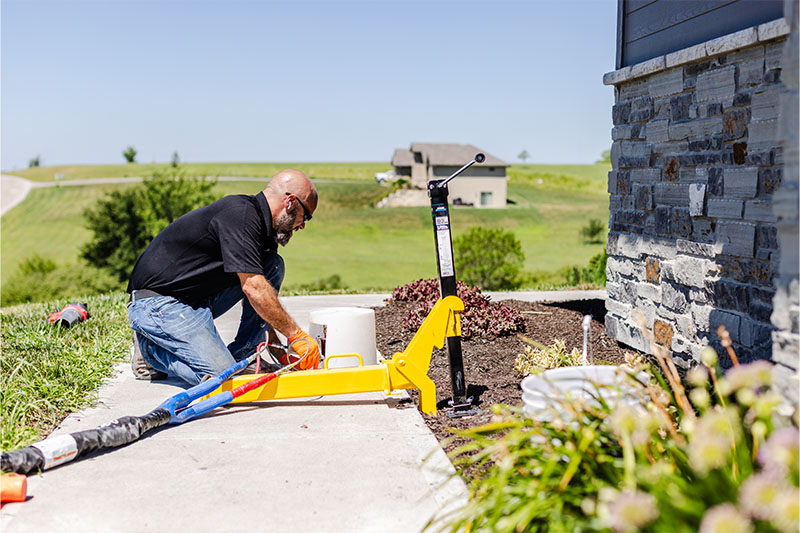
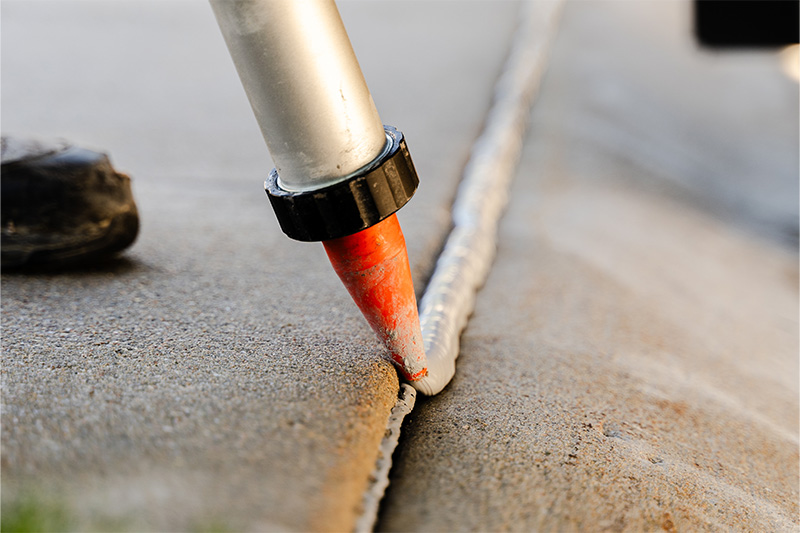
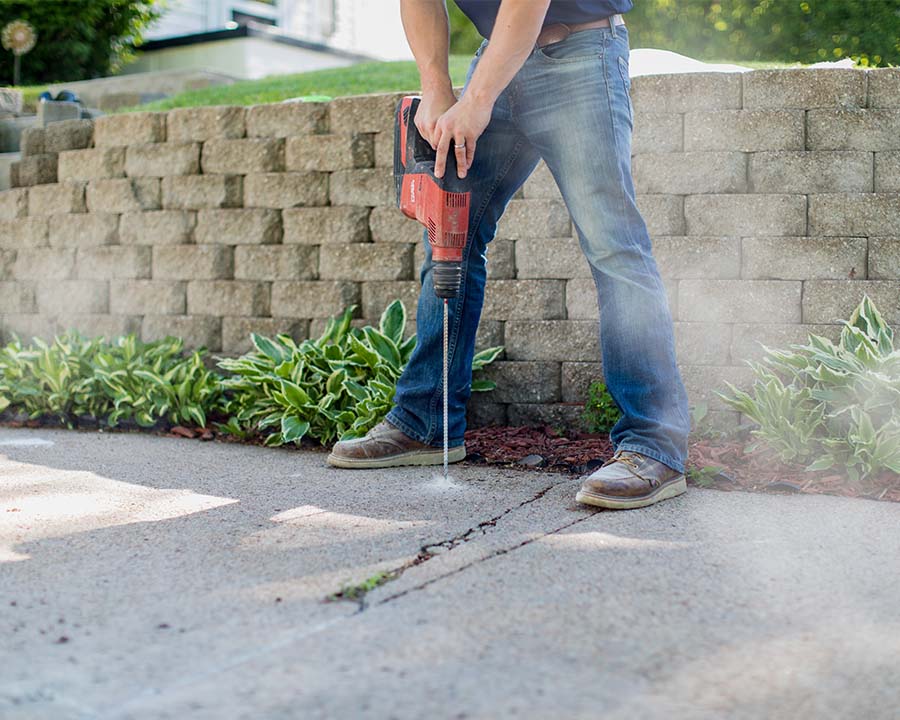
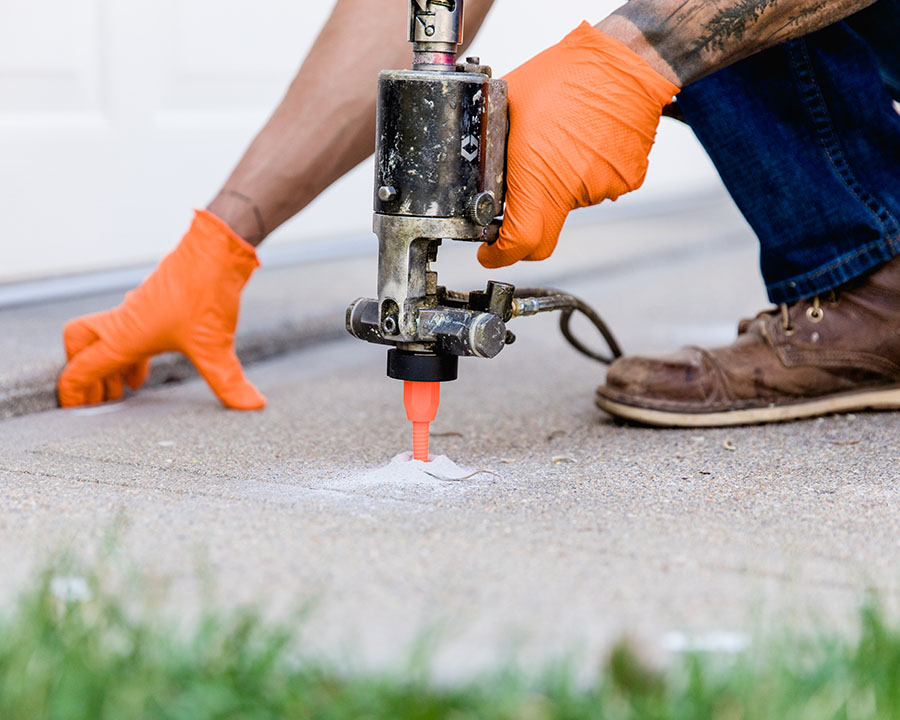
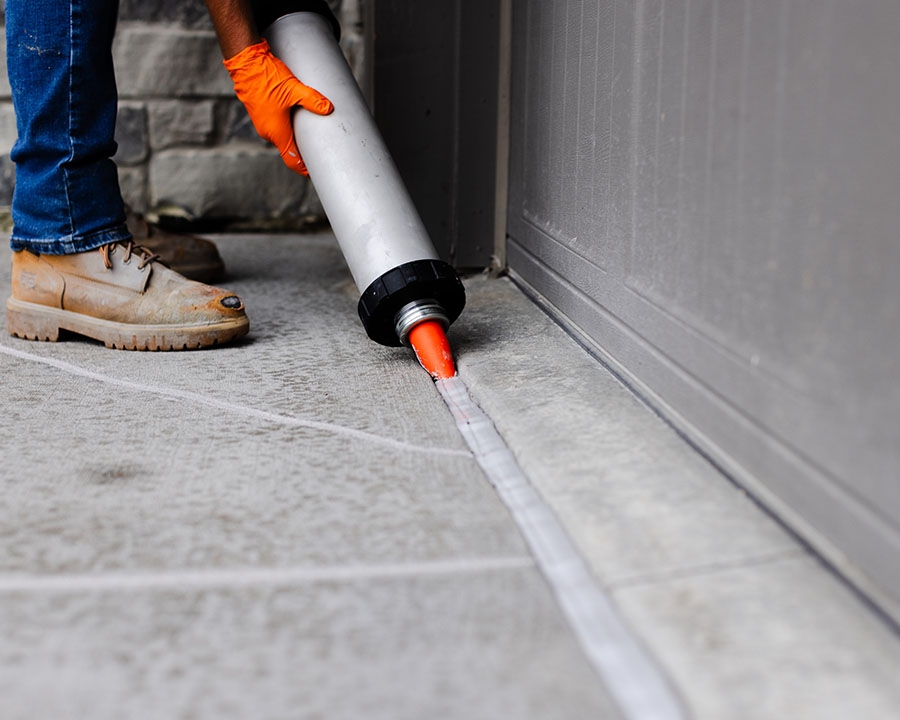
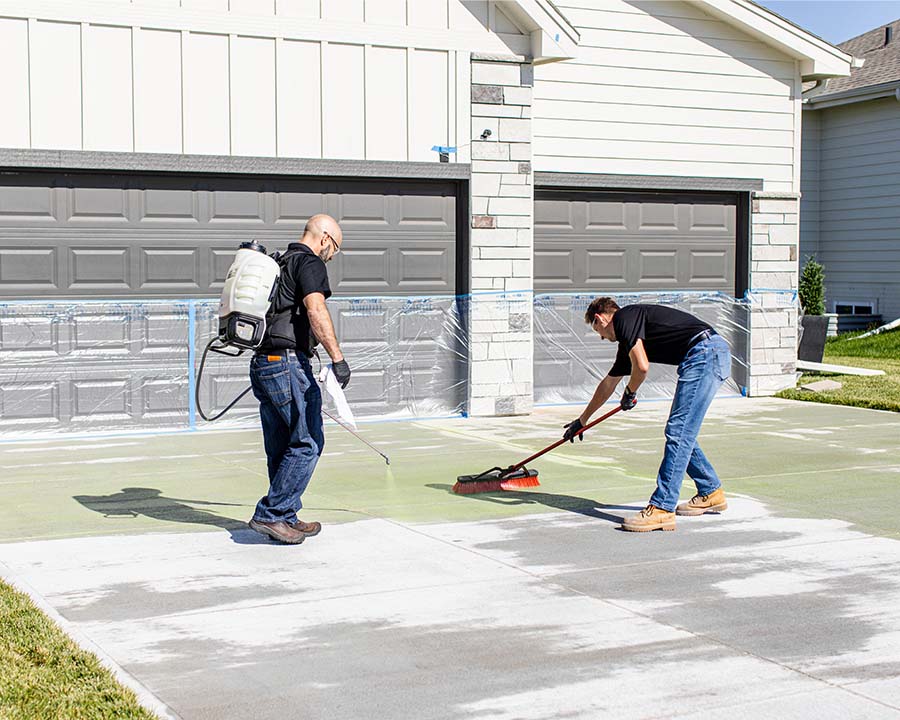
A sinking driveway is repaired by restoring the support beneath the concrete—not replacing the slab itself. The Foundation Specialists uses a complete concrete repair system that lifts and stabilizes settled slabs while helping protect them from future damage. Using PolyLevel® concrete lifting and leveling followed by NexusPro® joint sealant, we restore a safer, more level driveway and help reduce water intrusion that can contribute to future settlement.
How It Works
The Foundation Specialists's Concrete Repair Process

What To Expect
Ready to get started?
Schedule a free estimate to start your repair journey with The Foundation Specialists.

Schedule your inspection
Fill out our form or give us a call to book your inspection. Share what you’ve noticed so we can send the right expert to your home.

Full home
inspection
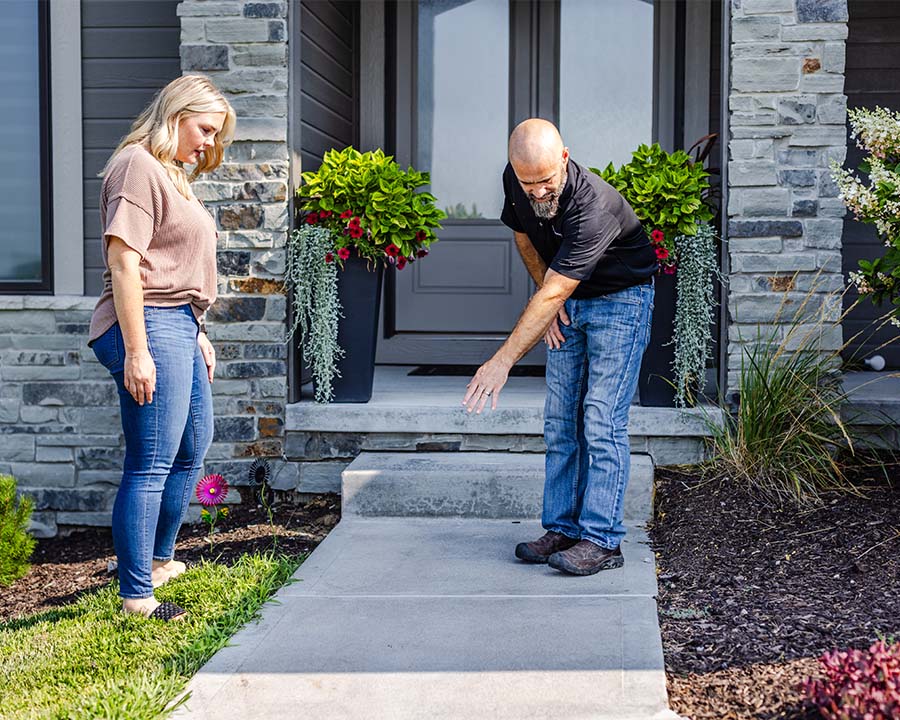
An expert will inspect the problem area and surrounding conditions, including soil movement, drainage, structural integrity, and any related concerns.

Clear explanation
of findings
We’ll walk you through what we’re seeing in easy-to-understand language so you know the root cause of the issue, not just the symptoms.

Review recommendations
If repairs are needed, we’ll outline your options, pricing, and timeline so you can make the best decision for your home.
Schedule your free inspection—
It'll only take
a minute
Meet with a trusted expert, and get
clear answers about your home.