Musty Odors2026-11-06T14:42:38-06:00

Musty Crawl Space Odors in Nashville

If your house smells musty, especially after rain or during humid weather, the problem could be sitting in your crawl space. Too much moisture below your home can cause persistent odors and conditions that allow mold to grow. And until the moisture source is corrected, that musty crawl space smell is likely to linger.

Symptoms

Signs Your Musty Crawl Space Needs Help

A musty smell may be your first clue that something's wrong below your home, but it's seldom the only one. Too much moisture in a crawl space can affect the air, wood and structural supports beneath your home. Watch for these other signs that your crawl space needs attention.

Causes

What Causes Musty Crawl Space Odors?

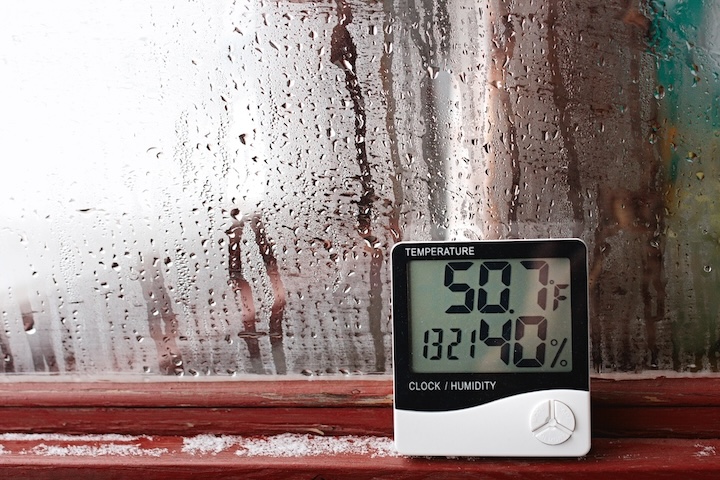
A musty crawl space odor is often a sign of excess moisture beneath your home. In Nashville, humid seasons, heavy rainfall and local soil conditions can all contribute to damp crawl spaces. The EPA recommends keeping indoor humidity below 60%, ideally between 30% and 50%, to help limit mold growth and other moisture problems. Here's what may be behind that musty smell.

  • High Humidity and Condensation

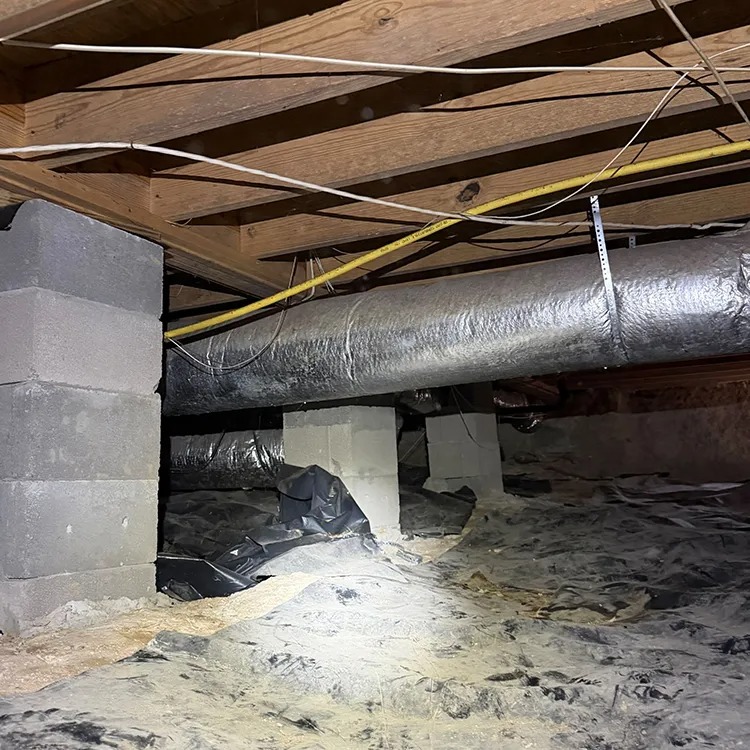
    High humidity can leave your crawl space smelling damp and musty. When moisture builds up in your crawl space, wood, insulation and other materials can stay damp and begin to smell musty, even without standing water.

    Humidity can rise from damp soil, groundwater and humid outdoor air. Condensation may also form when warm, humid air meets cooler surfaces below your home. If the crawl space has no way to dry out, the smell can stick around and drift into the living space above.

  • Mold & Mildew Growth

    The familiar musty odor can sometimes come from mold or mildew growing in a damp crawl space. Growth may be concealed on wood, insulation or other surfaces, so you may notice the odor before you see anything unusual.

    A musty smell alone doesn’t confirm mold, but persistent moisture produces conditions where it can grow. If mold is present, getting the moisture source under control is essential. Otherwise, damp conditions remain and the problem may continue.

  • Standing Water or Plumbing Leaks

    Puddles, wet soil and leaking pipes can all leave a crawl space smelling damp and stale. You may notice the odor more after heavy rain or when a plumbing leak has gone unnoticed below the house.

    Water may get in from outside through poor drainage or groundwater, or it could originate inside from a leaking pipe. As that moisture sits beneath your home, it can drive up humidity and create lingering odors. Finding where the water is coming from is key to solving the problem.

  • Damp Insulation and Wood Rot

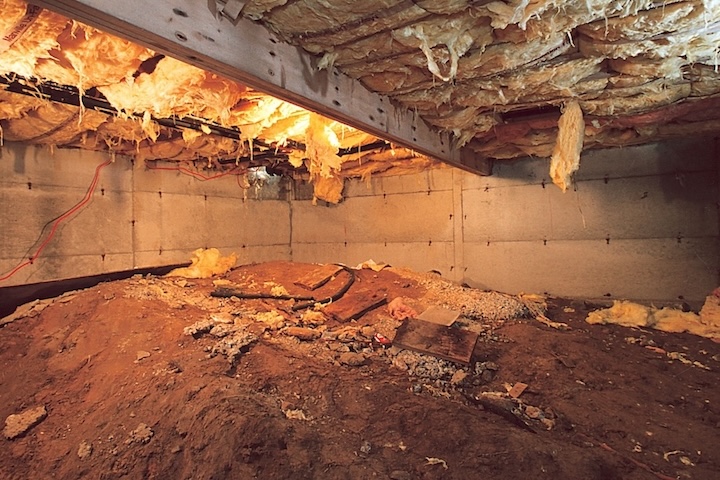
    Insulation, floor joists and other materials can absorb moisture and hold onto it. Over time, wet insulation and decaying wood can develop noticeable odors, contributing to that damp, musty crawl space smell.

    Wet insulation may droop or lose effectiveness, while extended moisture can contribute to fungal decay in wood. If materials have already been damaged, they may need to be repaired or replaced, but the moisture problem should also be corrected to help prevent further damage.

  • Pest Activity and Debris

    Not every crawl space odor comes from moisture alone. Droppings, nesting materials, debris or dead animals can create unpleasant smells or make an already musty crawl space smell even worse.

    Pay attention to the kind of odor. A sharp sewage, ammonia or decaying smell may signal something other than typical crawl space moisture. An inspection can help determine whether pests, plumbing or another issue is behind the odor.

  • Open Crawl Space Vents

    Open crawl space vents don’t always keep the area dry. During warm, humid weather, vents can allow moisture-heavy outdoor air into the cooler crawl space, adding to humidity and musty odors.

    As warm air enters and cools, its relative humidity rises and condensation can appear on cooler surfaces. That’s why a crawl space may actually smell mustier during the summer. Sealing outside air as part of a properly designed crawl space system can help control those conditions.

How Crawl Space Air Gets into Your Living Space
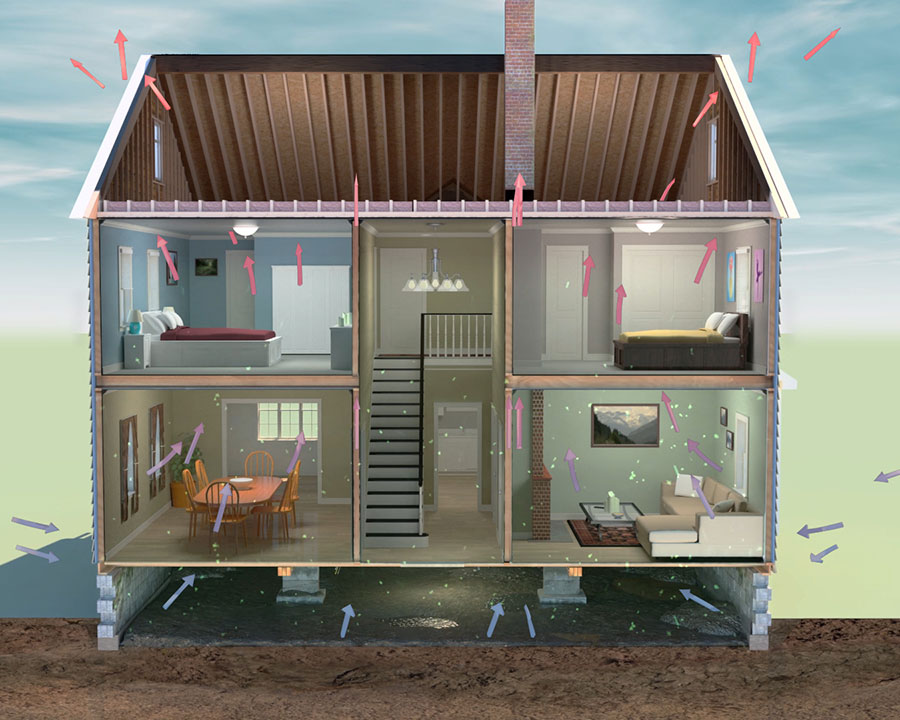
  • Air Comes in Through the Crawl Space

    Your crawl space isn’t sealed off from the rest of your home. Gaps around plumbing, wiring, ductwork and flooring let air travel between the crawl space and the rooms above, including air carrying musty crawl space odors.

  • Warm Air Moves Up Through Your Home

    As warm air rises and leaves through the upper levels of your home, new air is drawn in from lower areas. This natural airflow, known as the stack effect, can bring damp, musty crawl space air into your living space.

  • The Odor Shows Up Upstairs

    Once crawl space air moves into your home, you may notice a musty smell in rooms above the crawl space or near floor vents. That’s why masking the odor upstairs won’t solve the problem if moisture and odors below your home go unaddressed.

How The Foundation Specialists Eliminates Musty Crawl Space Odors

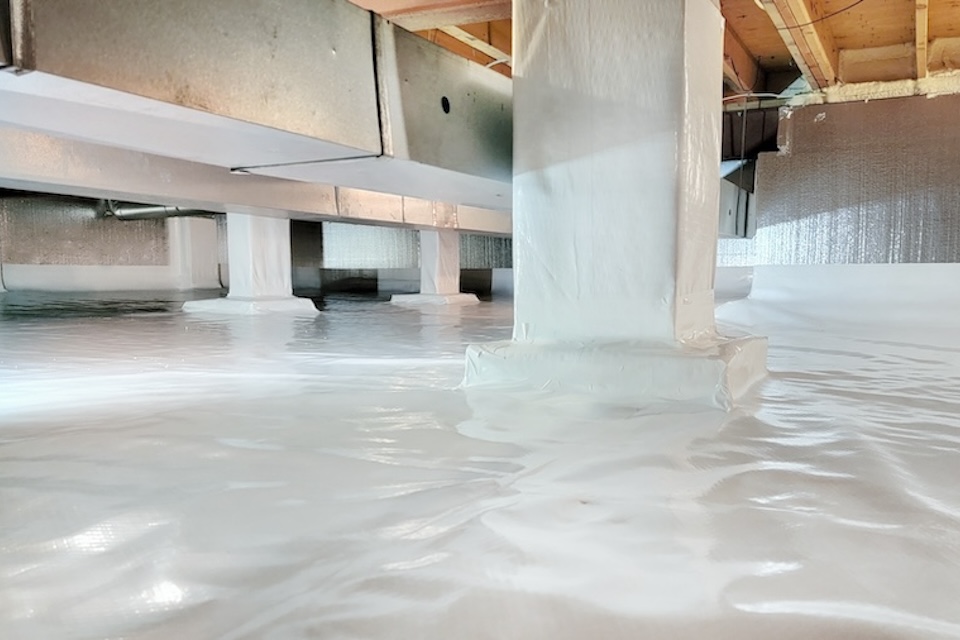
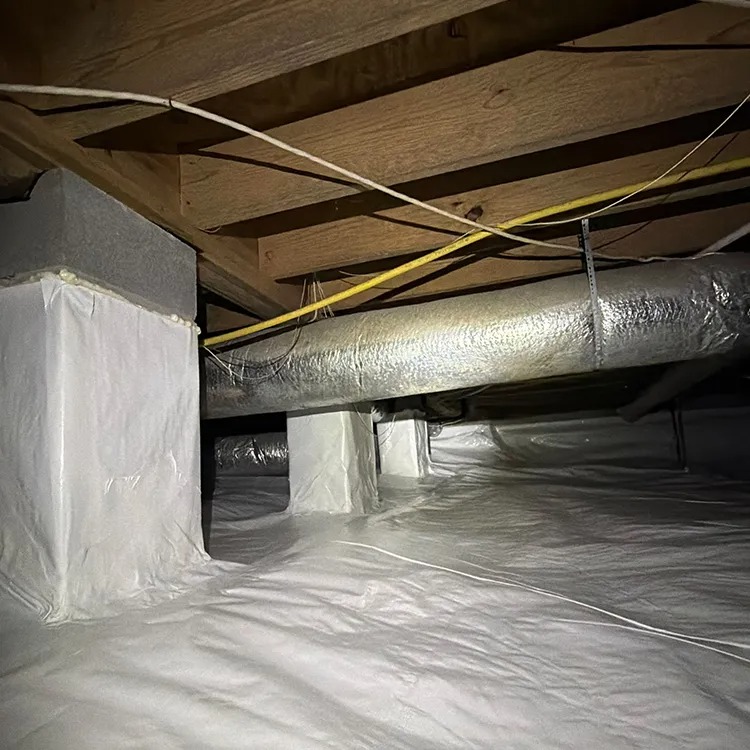
Clearing out musty crawl space odors starts with correcting the moisture and conditions causing them. Depending on your crawl space, The Foundation Specialists may recommend solutions to manage groundwater, humidity and outside air and create a cleaner, drier space below your home.

How to Tell If the Musty Smell Is Coming from Your Crawl Space

Benefits

Why Homeowners Turn To The Foundation Specialists

Body Copy Specific to Each Dealer

What To Expect

Ready to get started?

Schedule a free estimate to start your repair journey with The Foundation Specialists.

Schedule your inspection

Fill out our form or give us a call to book your inspection. Share what you’ve noticed so we can send the right expert to your home.

Full home
inspection

An expert will inspect the problem area and surrounding conditions, including soil movement, drainage, structural integrity, and any related concerns.

Clear explanation
of findings

We’ll walk you through what we’re seeing in easy-to-understand language so you know the root cause of the issue, not just the symptoms.

Review recommendations

If repairs are needed, we’ll outline your options, pricing, and timeline so you can make the best decision for your home.

Schedule your free inspection—

It'll only take
a minute

Meet with a trusted expert, and get
clear answers about your home.

"*" indicates required fields

1Your Info
2Schedule Your Inspection
3Review & Submit

Customer Information

Don't just take our word for it

See what our customers have to say about our work.

Before & after photos

Check out before and after photos from some of our completed projects.

Find Your Local TFS Location

Whether you need foundation repair, basement waterproofing, crawl space repair, concrete lifting, or one of our many other services, The Foundation Specialists can help. Our highly experienced team is proud to serve communities throughout Tennessee, Kentucky and Indiana.

Frequently Asked Questions

How long after crawl space repair will the musty smell go away? 2026-10-06T12:48:47-05:00

It depends on how wet the crawl space was and whether materials such as wood or insulation have taken on moisture or odors. You may notice a difference as the space dries out, but materials that are very damp or damaged can take longer. Correcting the moisture source is the most important step toward preventing the odor from returning. 

Should I get my crawl space tested for mold? 2026-10-06T12:48:20-05:00

Not necessarily. If you can already see mold growth, testing usually isn’t needed just to confirm mold is present. The EPA generally recommends focusing on correcting the moisture problem and addressing visible mold rather than routinely testing to identify the type. A professional can help determine the appropriate next steps. 

What humidity level should my crawl space stay at? 2026-10-06T12:47:55-05:00

Generally, you want to keep crawl space relative humidity below 60% to help discourage mold growth, with many moisture-control systems targeting around 50-55%. The right level can vary with climate and crawl space conditions. If humidity stays above 60%, it’s worth looking into where the excess moisture is coming from. 

Can an air freshener, bleach or a store-bought dehumidifier get rid of the smell? 2026-10-06T12:47:30-05:00

These may temporarily reduce or cover up odors, but they won’t necessarily address what’s causing them. Long-term odor control starts with finding the moisture source. Depending on the problem, that may call for drainage, encapsulation, sealing outside air or installing a properly sized crawl space dehumidifier. 

Why does my house smell musty after rain, or only in the summer? 2026-10-06T12:46:59-05:00

Rain can raise groundwater and moisture beneath your home, while warm summer air can raise crawl space humidity and form condensation on cooler surfaces. Both can intensify existing odors. If your house regularly smells musty after rain or during humid weather, your crawl space may have an underlying moisture issue. 

Can a musty crawl space odor affect my family’s health? 2026-10-06T12:46:32-05:00

The odor itself isn’t dangerous on its own, but it can indicate damp conditions that support mold growth and other indoor air quality problems. Crawl space air can also travel into the living areas above. If you’re concerned about health symptoms, talk with a healthcare professional and have the moisture source investigated. 

Does a musty smell always mean there’s mold in my crawl space? 2026-10-06T12:46:03-05:00

No. A musty smell can be associated with mold, but it can also be caused by high humidity, standing water, damp wood or insulation, pests or other moisture problems. Because mold can grow in hidden areas, a crawl space inspection can help pinpoint what’s causing the odor and whether there are signs of mold. 

Related pages

Service Areas

The Foundation Specialists are located throughout Tennessee, Kentucky and Indiana.

Resources

Access valuable resources to help keep your home healthy and your family safe.

The Thrasher Promise

At The Foundation Specialists, we pride ourselves on providing permanent solutions, and stand behind our work with industry-leading, fully transferable warranties and guarantees.

Schedule your free inspection today

Don’t let unanswered questions about your
home worry you any longer.
Go to Top