Leaning Chimney2026-10-13T13:12:27-05:00

Leaning Chimney Repair: Causes and Permanent Fixes

If your chimney is leaning, tilting or pulling away from your home, the problem frequently starts underneath it. As the chimney's foundation settles, the masonry shifts with it. Rebuilding the chimney without stabilizing the foundation addresses only the symptom. The new chimney can lean again over time if the underlying problem isn't repaired.

Symptoms

Signs Worth Watching Out For

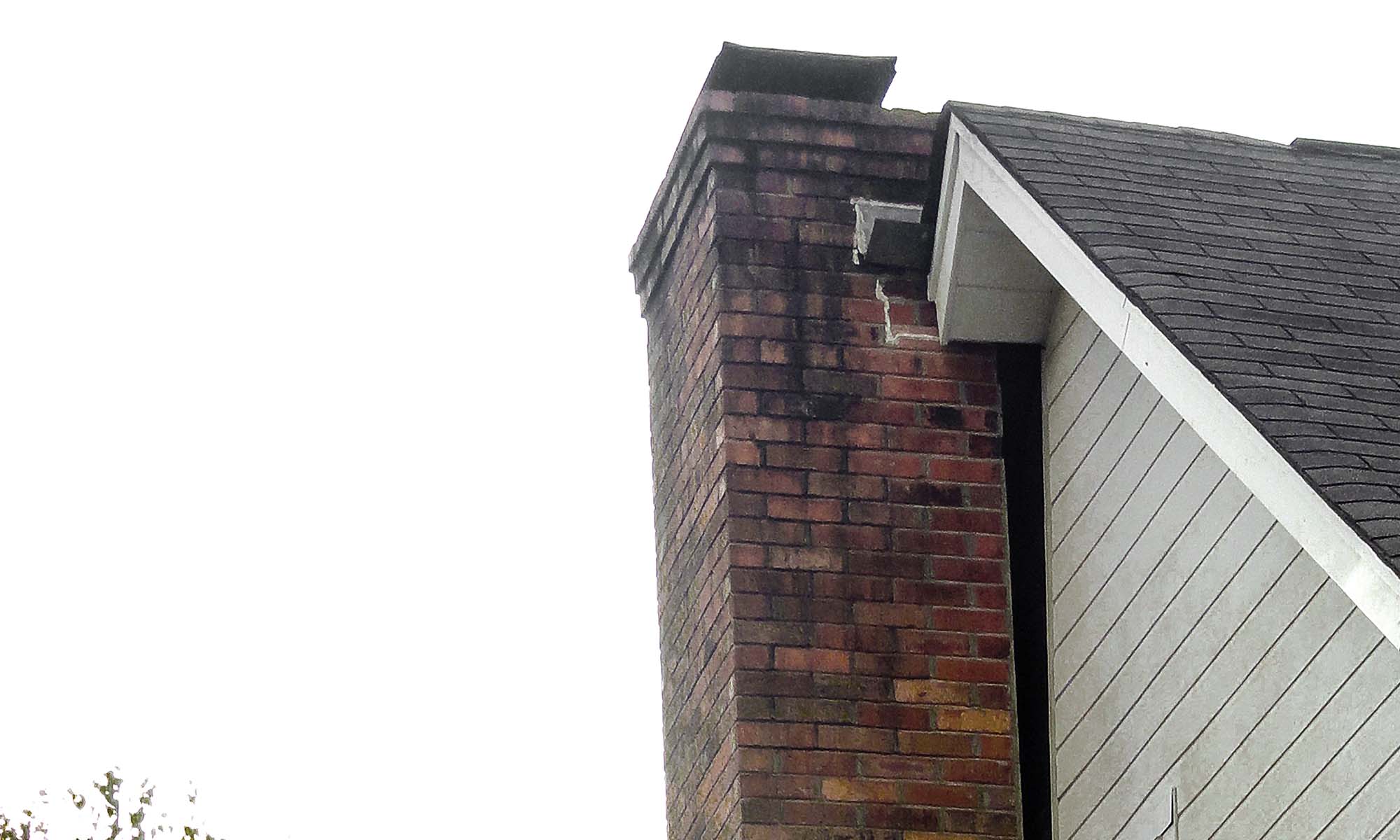
A leaning chimney is about more than appearances. It often signals movement in the foundation supporting it. As the chimney shifts, you may notice gaps where it meets the house, cracked mortar or a visible tilt. If left unaddressed, these problems can allow water and pests into your home, loosen bricks and, in some cases, raise safety concerns if the chimney flue is damaged.


Causes

What Causes a Chimney to Lean?

A leaning chimney is generally the result of chimney foundation settlement, where the footing beneath the chimney moves independently of the home's foundation. Because most masonry chimneys are built on their own footing, they can move separately from the rest of the home. Identifying what's causing that movement is the first step toward choosing the right long-term repair.

  • Foundation Settlement Beneath the Chimney

    A leaning chimney is often caused by settlement beneath its foundation. Since many masonry chimneys sit on a separate footing, movement below the chimney can occur even if the rest of the home’s foundation appears stable.

    Unlike the main foundation, masonry chimneys are often built on their own concrete footing. This footing is often shallower and surrounded by backfilled soil, which is more likely to settle over time. As the soil beneath the footing compresses or shifts, the chimney begins to tilt independently of the house. That’s why repairing the masonry alone won’t stop the movement: the foundation beneath the chimney must first be stabilized.

  • Unstable or Shifting Soil

    The soil beneath a chimney footing naturally expands, contracts and settles over time. Poorly compacted backfill, fluctuating moisture levels and unstable soils can all undercut the support beneath the footing, allowing the chimney to shift.

    Many chimney footings are surrounded by backfilled soil that shifts more than undisturbed soil. In regions with expansive clay, the soil swells when wet and shrinks when dry, repeatedly stressing the footing. Over time, this movement causes the chimney to shift farther from its original position.

  • Freeze-Thaw Cycles & Moisture

    Water around the chimney foundation can speed up settlement. Ongoing freeze-thaw cycles and seasonal moisture changes weaken the supporting soil, making chimney movement worse over time.

    When water soaks the soil beneath a chimney footing, freezing temperatures cause it to expand and heave. As the ground thaws, the soil drops again. Combined with expansive clay soils common throughout the Midwest, these seasonal cycles can slowly increase chimney settlement and widen the gap between the chimney and the home.

How Chimney Leaning Develops

  • Soil Beneath the Chimney Begins to Settle

    The soil supporting the chimney footing begins to compact or shift due to poor compaction, shifting moisture levels, expansive clay soils or seasonal freeze-thaw cycles. The chimney foundation starts to lose support.

  • The Chimney Starts Pulling Away

    As the footing settles inconsistently, the heavy masonry chimney starts to tilt. Small gaps appear where the chimney meets the house, and cracks may show up in the brick, mortar joints or fireplace hearth.

  • Movement Becomes a Structural Concern

    Without foundation repair, the chimney leans further and the gap widens. Water and pests can make their way through the opening, loose bricks may create a safety hazard, and rebuilding the chimney alone won’t solve the underlying problem. Most leaning chimneys worsen gradually rather than suddenly, but continued movement can eventually lead to more serious structural concerns.

Foundation Repair Solutions for a Leaning Chimney

Every leaning chimney is different, but the goal is always the same: stabilize the foundation before addressing the masonry. The right solution depends on how the chimney is built, how much it has moved and what's causing the settlement. After a professional inspection, we'll determine the root cause and recommend a trusted foundation repair solution designed to stabilize the chimney and help prevent future movement.

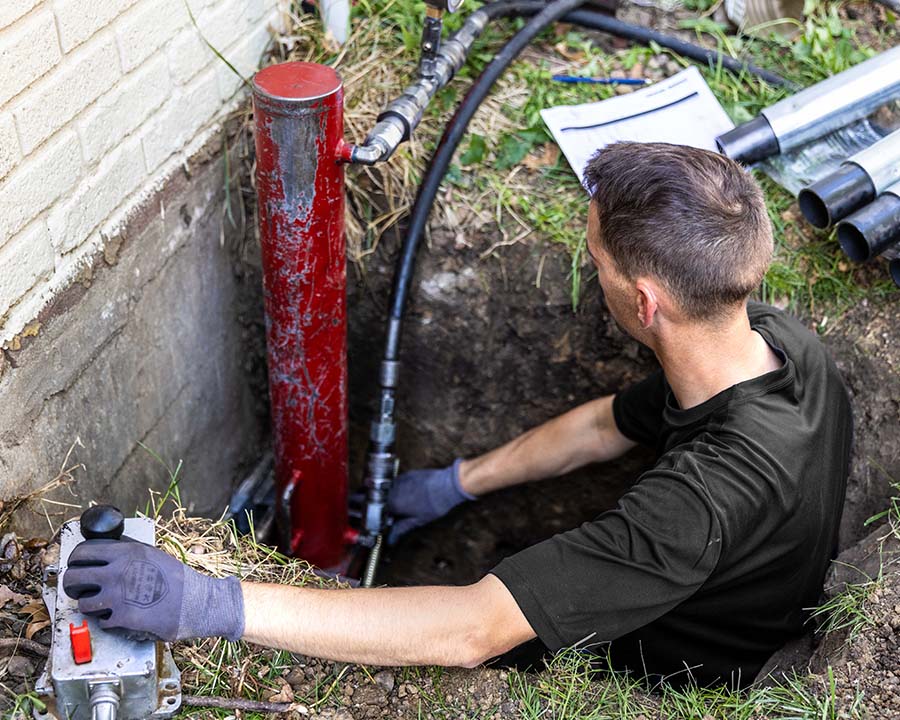
  • Helical Piers

  • Push Piers

  • Wall Anchors & Braces (if chimney movement is related to a bowing foundation wall)

  • Carbon Fiber Reinforcement (for associated foundation wall cracks)

  • EverBrace® Wall Restoration System (for severely damaged foundation walls) 

How It Works

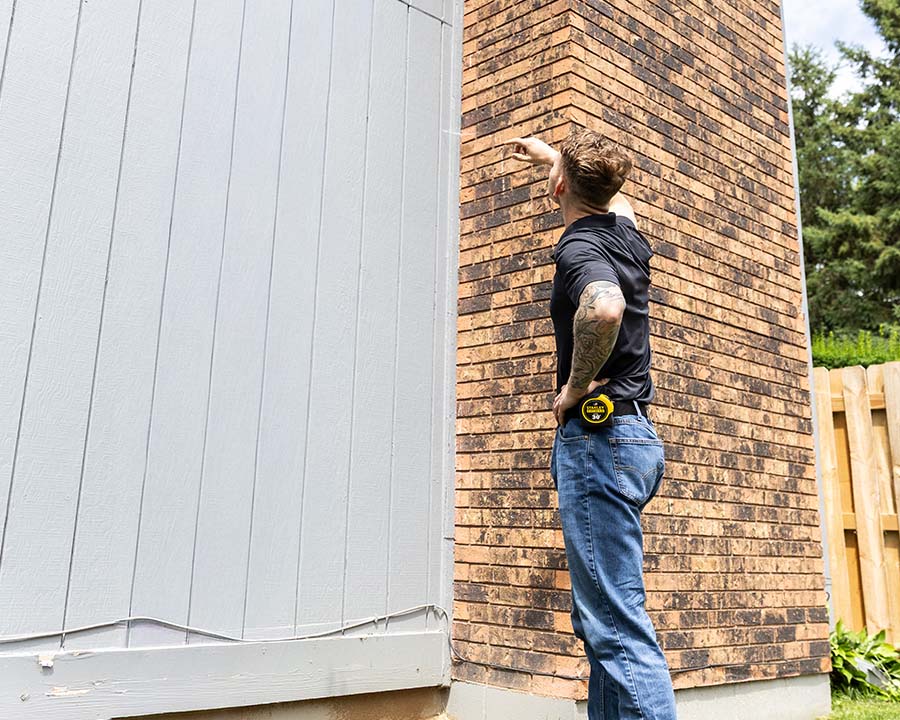
Our Approach to Leaning Chimney Repair
Benefits

Why Local Homeowners Trust The Foundation Specialists

Body Copy Specific to Each Dealer

What To Expect

Ready to get started?

Schedule a free estimate to start your repair journey with The Foundation Specialists.

Schedule your inspection

Fill out our form or give us a call to book your inspection. Share what you’ve noticed so we can send the right expert to your home.

Full home
inspection

An expert will inspect the problem area and surrounding conditions, including soil movement, drainage, structural integrity, and any related concerns.

Clear explanation
of findings

We’ll walk you through what we’re seeing in easy-to-understand language so you know the root cause of the issue, not just the symptoms.

Review recommendations

If repairs are needed, we’ll outline your options, pricing, and timeline so you can make the best decision for your home.

Schedule your free inspection—

It'll only take
a minute

Meet with a trusted expert, and get
clear answers about your home.

"*" indicates required fields

1Your Info
2Schedule Your Inspection
3Review & Submit

Customer Information

Don't just take our word for it

See what our customers have to say about our work.

Before & after photos

Check out before and after photos from some of our completed projects.

Find Your Local TFS Location

Whether you need foundation repair, basement waterproofing, crawl space repair, concrete lifting, or one of our many other services, The Foundation Specialists can help. Our highly experienced team is proud to serve communities throughout Tennessee, Kentucky and Indiana.

Frequently Asked Questions

What’s the difference between repairing and rebuilding a chimney? 2026-10-01T12:42:56-05:00

Repairing the foundation stabilizes the chimney by treating the underlying settlement. Rebuilding replaces damaged masonry but doesn’t halt future movement if the chimney footing goes on settling. 

Is leaning chimney repair covered by warranty? 2026-10-01T12:42:28-05:00

Yes. Thrasher’s foundation repair solutions, including helical piers used to stabilize chimney footings, are backed by an industry-leading, transferable warranty. While masonry repairs may have separate warranty terms, the foundation work is designed to provide long-term stability and confidence in your repair. 

Should I call a mason or a foundation company first? 2026-10-01T12:41:57-05:00

If your chimney is leaning or pulling away from the house, it’s best to lead with a foundation inspection. A foundation specialist can determine whether the chimney footing has settled and determine the root cause of the movement. Addressing the foundation first helps prevent putting money into masonry repairs that may not hold if settlement continues. 

Do I need to rebuild my chimney or can it be saved? 2026-10-01T12:36:35-05:00

Not necessarily. Many leaning chimneys can be stabilized by repairing the foundation beneath them, often with helical piers. Once the footing is stable, any needed masonry repairs can be completed. Rebuilding the chimney without first addressing the underlying settlement tends to bring the same problem back over time. 

Why is my chimney leaning into my roof? 2026-10-01T12:35:38-05:00

A chimney may lean toward the roof when the footing drops unevenly on the side closest to the house. Poor drainage, such as overflowing gutters or downspouts that drain near the chimney, can contribute by saturating the supporting soil. A foundation inspection can identify the cause and determine whether the chimney footing needs to be stabilized. 

Why is my chimney pulling away from my house? 2026-10-01T12:34:55-05:00

Most masonry chimneys are built on their own concrete footing, separate from the home’s main foundation. If that footing settles, the heavy chimney can begin separating from the house, creating a visible separation. The movement rarely stops on its own, so a professional inspection can determine whether foundation settlement is the cause and recommend the right repair. 

Related pages

Service Areas

The Foundation Specialists are located throughout Tennessee, Kentucky and Indiana.

Resources

Access valuable resources to help keep your home healthy and your family safe.

The Thrasher Promise

At The Foundation Specialists, we pride ourselves on providing permanent solutions, and stand behind our work with industry-leading, fully transferable warranties and guarantees.

Schedule your free inspection today

Don’t let unanswered questions about your
home worry you any longer.
Go to Top